Industrial Gas Compressors Complete Guide to Industrial Applications and System Performance
Industrial gas compressors are important pieces of equipment used across many industries to increase the pressure of gases and move them through pipelines, processing systems, storage facilities, and manufacturing equipment. The use of industrial gas technologies has expanded significantly as industries require reliable methods for handling gases such as nitrogen, oxygen, hydrogen, natural gas, carbon dioxide, and compressed air.
A compressor works by reducing the volume of a gas, which increases its pressure. This process allows gases to be transported, stored, and utilized in a controlled manner. Industrial gas compressors are commonly found in energy production, chemical processing, manufacturing plants, food production facilities, healthcare environments, and transportation infrastructure.
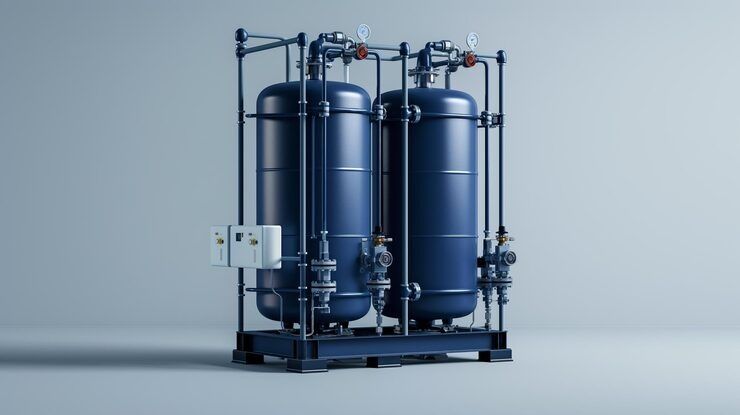
The development of industrial gas compression technology has evolved alongside industrial growth. As facilities became larger and production requirements increased, more efficient and reliable compressor systems were developed to support demanding operational conditions.
Common Types of Industrial Gas Compressors
Several compressor designs are used depending on application requirements:
- Reciprocating compressors use pistons to compress gas.
- Rotary screw compressors use rotating screws to create pressure.
- Centrifugal compressors use high-speed rotating impellers.
- Diaphragm compressors are often used for high-purity gases.
- Axial compressors are commonly found in large industrial facilities and power generation systems.
Importance
Supporting Industrial Operations
Industrial gas systems play a critical role in many manufacturing and processing activities. Compressors help maintain the continuous flow of gases required for production processes, ensuring operational consistency.
Without proper gas compression equipment, industries would face challenges transporting gases over long distances or maintaining pressure levels necessary for various applications.
Enhancing Process Efficiency
Compressed gases are used in numerous industrial functions, including:
- Material handling
- Packaging operations
- Chemical processing
- Welding and cutting
- Energy production
- Cooling and refrigeration systems
Reliable compressor performance contributes to smoother operations and reduced production interruptions.
Enabling Energy and Infrastructure Development
Energy facilities often depend on industrial gas compression for transporting fuel gases through pipelines. Compressors help maintain flow rates and pressure levels needed across extensive distribution networks.
Infrastructure projects involving hydrogen, natural gas, and carbon capture technologies also rely heavily on advanced compression systems.
Supporting Safety and Control
Industrial gas handling requires precise pressure management. Compressors work alongside monitoring systems, valves, and control equipment to maintain safe operating conditions.
Properly designed systems help prevent pressure fluctuations that could affect equipment performance or operational stability.
Recent Updates
Growth of Energy-Efficient Compressor Systems
Between 2024 and 2026, industrial facilities have increasingly focused on energy efficiency. Modern compressors are being designed to reduce energy consumption while maintaining performance levels.
Manufacturers continue to improve motor technology, control systems, and compression methods to support sustainability goals.
Expansion of Hydrogen Infrastructure
Hydrogen has gained attention as an alternative energy carrier. This trend has increased demand for specialized industrial gas compression equipment capable of handling hydrogen safely and efficiently.
Hydrogen applications require compressors designed to manage the unique characteristics of the gas.
Increased Digital Monitoring
Digital monitoring technologies are becoming more common in industrial gas operations. Facilities are using sensors and software platforms to monitor:
- Pressure levels
- Temperature conditions
- Equipment performance
- Maintenance requirements
- Energy usage
These tools help operators identify potential issues before they affect operations.
Predictive Maintenance Adoption
Industrial organizations are increasingly implementing predictive maintenance strategies. Instead of relying solely on scheduled inspections, operators use performance data to anticipate maintenance needs and reduce unexpected downtime.
Carbon Capture and Environmental Projects
Growing interest in carbon management technologies has expanded the use of industrial gas compressors. Carbon dioxide capture, transportation, and storage systems depend on compression equipment to move gases through processing networks.
Laws or Policies
Equipment Safety Standards
Industrial gas equipment is generally subject to engineering and safety standards established by regulatory authorities and industry organizations.
These standards typically address:
- Pressure vessel requirements
- Compressor safety features
- Inspection procedures
- Operational guidelines
- Emergency shutdown systems
Environmental Regulations
Many countries have environmental regulations that influence compressor design and operation. These rules may focus on:
- Energy efficiency
- Emissions reduction
- Noise control
- Leak prevention
- Environmental monitoring
Facilities often incorporate advanced technologies to meet regulatory expectations.
Occupational Safety Requirements
Workers operating industrial gas systems must follow workplace safety regulations. These requirements typically include:
- Equipment training
- Hazard awareness programs
- Protective equipment use
- Emergency response planning
- Routine equipment inspections
Industry-Specific Compliance
Different sectors may follow additional standards. For example:
| Industry Sector | Common Compliance Focus |
|---|---|
| Energy | Pipeline and pressure safety |
| Healthcare | Gas purity requirements |
| Manufacturing | Equipment safety standards |
| Food Processing | Product quality controls |
| Chemical Processing | Hazard management procedures |
Compliance requirements vary depending on location and application.
Tools and Resources
Compressor Performance Monitoring Software
Digital monitoring platforms help operators track equipment performance in real time. These systems provide insights into pressure, temperature, efficiency, and operational status.
Industrial Gas Flow Calculators
Engineering calculators assist in determining:
- Flow rates
- Pressure requirements
- Pipe sizing
- Compressor capacity
- Energy consumption estimates
These tools support planning and operational decisions.
Equipment Manuals and Technical Documentation
Manufacturers provide technical documentation covering:
- Installation procedures
- Operating guidelines
- Maintenance schedules
- Safety instructions
- Troubleshooting information
These documents are important resources for facility personnel.
Industry Organizations
Engineering associations and industrial organizations publish technical standards, educational materials, and research related to industrial gas systems and compression technologies.
Condition Monitoring Platforms
Modern condition monitoring tools collect data from sensors installed throughout compressor systems. These platforms help identify abnormal operating conditions and support maintenance planning.
FAQs
What is industrial gas and why is it important?
Industrial gas refers to gases used in manufacturing, energy production, healthcare, food processing, and other industrial activities. These gases support production processes, equipment operation, and infrastructure development.
How do industrial gas compressors work?
Industrial gas compressors increase gas pressure by reducing gas volume. Different compressor designs achieve this through mechanical movement, rotating components, or centrifugal force.
Which industries commonly use industrial gas compressors?
Industrial gas compressors are used in sectors such as energy, chemical processing, manufacturing, healthcare, food production, transportation, and environmental management projects.
What factors affect industrial gas compressor performance?
Performance can be influenced by operating pressure, temperature, gas type, equipment design, maintenance practices, and system configuration.
How is industrial gas technology changing today?
Current trends include greater energy efficiency, digital monitoring, predictive maintenance, hydrogen infrastructure development, and increased use of automation technologies.
Conclusion
Industrial gas compressors are essential components in many industrial processes, helping move and pressurize gases required for manufacturing, energy production, healthcare, and infrastructure systems. Advances in digital monitoring, energy efficiency, and predictive maintenance continue to improve compressor performance and reliability. As industries expand the use of hydrogen, carbon management technologies, and automated operations, industrial gas compression equipment remains an important part of modern industrial infrastructure. Understanding compressor types, applications, regulations, and operational practices helps provide a clearer view of their role in supporting industrial activities.

Related Post...

Kia SUV Range Explained: Models, Capabilities, and Driving Experience
Updated: October 15, 2026
Read More
Machine Manufacturing Companies: Discover Modern Industrial Solutions
Updated: October 20, 2026
Read More
Void Labels Manufacturer Guide: Protecting Products with Tamper-Evident Solutions
Updated: October 19, 2026
Read More