Home Auto Business Education Fashion Finance Furniture Health Jewellery Machine Tech Travel

Understanding Overmolding Companies and Their Role in Manufacturing

From smartphone cases to surgical instruments, many everyday products rely on overmolding for durability, comfort, and style. Understanding what overmolding companies do, how they work with materials and tooling, and where they fit in the manufacturing chain is a useful starting point.
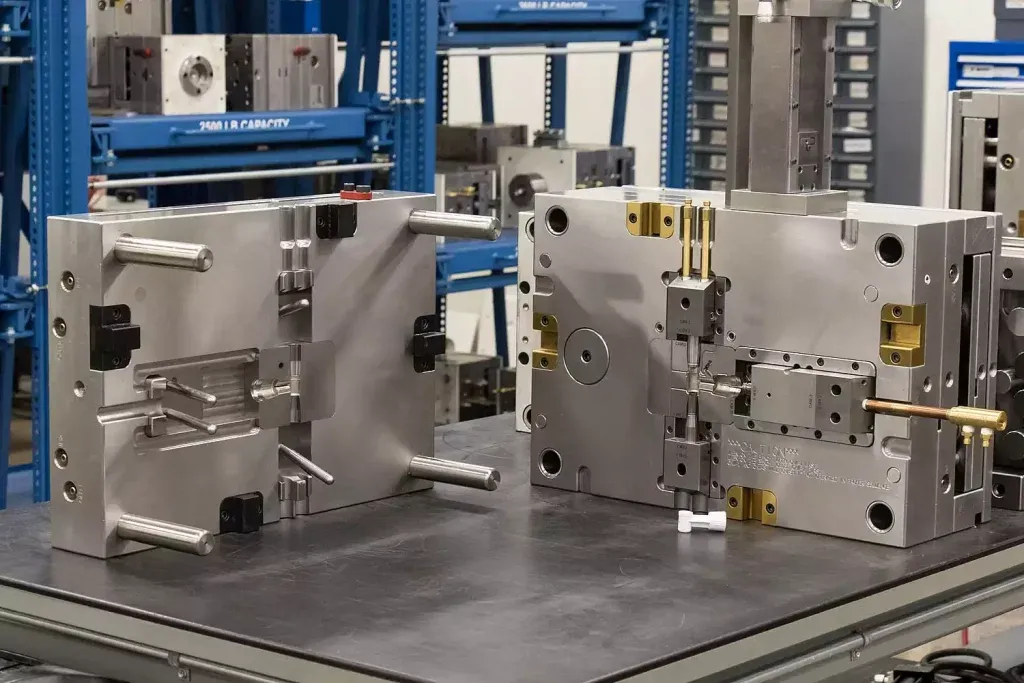

Overmolding is a manufacturing process in which one material is molded over another, creating a single, integrated component. It typically involves a rigid substrate part, such as a metal or hard plastic piece, followed by a second molding step that adds a softer or different material on top.

Common Reasons for Using Overmolding

  • Improve grip or ergonomics, as in tool handles and consumer electronics
  • Add seals or gaskets directly onto rigid parts
  • Provide cushioning or impact resistance
  • Combine decorative and functional elements in a single part
  • Simplify assemblies by removing the need for separate fasteners or adhesives

Overmolding companies specialize in the design, tooling, process control, and material selection required to achieve a strong bond between the primary and secondary materials while meeting dimensional, mechanical, and aesthetic requirements.

Types of Overmolding Processes

Overmolding is a broad term that encompasses several specific methods. Overmolding companies may focus on one or multiple process types depending on the products they support.

Insert Molding

Insert molding involves placing a pre-formed component into a mold and then injecting plastic around it.

Common Insert Materials

  • Metal, such as threaded inserts or electrical contacts
  • Plastic pre-molded parts
  • Ceramic and other specialized materials

This technique creates strong, integrated assemblies that combine the advantages of plastic and other materials in a single operation.

Two-Shot (Multi-Shot) Molding

Two-shot molding uses specialized injection molding equipment with multiple barrels and rotating or translating molds.

Typical Process Flow

  1. The first material is molded into the cavity.
  2. The part is rotated or moved into a second cavity.
  3. The second material is injected onto or around the first shot.

Two-shot molding allows precise alignment and strong bonding between materials while improving cycle consistency.

Chemical or Mechanical Overmolding

Some applications rely on different bonding mechanisms.

Chemical Bonding

Materials are selected for compatibility at the molecular level. Heat and pressure encourage intermolecular bonding during molding.

Mechanical Bonding

Physical features provide anchoring points for the overmold material, including:

  • Undercuts
  • Holes
  • Ribs
  • Surface textures

Overmolding companies determine the most appropriate bonding strategy based on geometry, materials, and performance requirements.

Materials Used in Overmolding

Material selection plays a critical role in overmolding projects.

Substrate Materials

Common substrates include:

Engineering Thermoplastics

  • ABS
  • Polycarbonate (PC)
  • PC/ABS blends
  • Nylon (PA)
  • Polybutylene terephthalate (PBT)

Commodity Plastics

  • Polypropylene (PP)
  • Polyethylene (PE)

Metals

  • Stainless steel
  • Aluminum
  • Brass

Specialty Materials

Specialized industries such as automotive and medical manufacturing may require unique substrate materials.

Substrate selection depends on:

  • Strength requirements
  • Dimensional stability
  • Chemical resistance
  • Operating temperature

Overmold Materials

The overmold layer is frequently made from softer materials.

Common Overmold Materials

  • Thermoplastic elastomers (TPE)
  • Thermoplastic vulcanizates (TPV)
  • Thermoplastic polyurethanes (TPU)
  • Silicone rubber in hybrid processes

These materials provide:

  • Improved grip
  • Cushioning
  • Sealing capability
  • Decorative finishes

Material Compatibility Considerations

Overmolding companies evaluate compatibility by reviewing:

  • Melt temperatures and processing windows
  • Chemical affinity and adhesion potential
  • Shrinkage rates and thermal expansion
  • Mechanical property balance
  • Regulatory and safety requirements

Real-world testing is generally required to confirm long-term performance.

Core Capabilities of Overmolding Companies

Overmolding companies provide expertise throughout the product lifecycle.

Design for Manufacturability (DFM)

DFM adapts product designs to improve manufacturing efficiency.

Typical DFM Considerations

  • Designing undercuts, grooves, and through-holes
  • Managing wall thickness transitions
  • Optimizing parting lines, gates, and vents
  • Providing proper draft angles

Early design input often reduces tooling modifications and production issues.

Tooling Design and Fabrication

Tooling for overmolding is often more complex than single-shot molding.

Important Tooling Features

  • Multi-cavity mold layouts
  • Precision alignment systems
  • Insert loading mechanisms
  • Optimized cooling channels

Some overmolding companies maintain tooling capabilities internally, while others collaborate with specialized toolmakers.

Process Engineering and Automation

Reliable production depends on tightly controlled process conditions.

Process Engineering Activities

  • Establishing injection speeds and pressures
  • Defining processing temperatures
  • Determining cooling times
  • Setting pack and hold profiles

Automation Applications

  • Robotic insert handling
  • Automated part removal
  • Inspection systems
  • Trimming and packaging operations

Stable processing conditions help maintain consistency and reduce scrap.

Industries and Applications That Use Overmolding

Overmolding is widely used across multiple industries.

Consumer Products and Electronics

Common applications include:

  • Toothbrush and razor grips
  • Kitchen utensil handles
  • Device housings and bumpers
  • Buttons and keypad overlays

These applications often prioritize comfort, durability, and appearance.

Automotive and Transportation

Typical components include:

  • Electrical connectors
  • Sensor housings
  • Interior controls and knobs
  • Handles, pedals, and switches

Automotive applications often require testing under demanding conditions.

Medical Devices and Healthcare Products

Overmolding supports products such as:

  • Surgical instruments
  • Diagnostic equipment
  • Tubing assemblies
  • Electrical cable strain reliefs

Material selection frequently considers:

  • Biocompatibility
  • Sterilization compatibility
  • Regulatory compliance

Industrial and Power Tools

Examples include:

  • Tool handles
  • Triggers
  • Protective boots

Common performance requirements include:

  • Shock absorption
  • Non-slip surfaces
  • Impact resistance

These applications typically require strong mechanical bonding and wear resistance.

Design Considerations for Overmolded Parts

Design decisions strongly influence manufacturability and product performance.

Geometry and Feature Design

Key considerations include:

  • Avoiding extremely thin overmold sections
  • Maintaining uniform wall thickness
  • Using radii and fillets instead of sharp corners
  • Incorporating mechanical locking features

Proper design improves flow characteristics and structural performance.

Aesthetics and Branding

Overmolding supports various design features.

Common Aesthetic Features

  • Multi-color designs
  • Contrasting materials
  • Translucent overlays
  • Surface textures and patterns
  • Integrated branding elements

Balancing appearance goals with manufacturing requirements helps reduce cosmetic defects.

Tolerances and Assembly

Dimensional control is important because overmolded parts often interface with other components.

Design considerations include:

  • Cumulative tolerances
  • Material shrinkage
  • Warpage effects
  • Assembly clearances
  • Interference fits

Prototype iterations frequently help refine these characteristics before full production.

Quality Control and Testing in Overmolding

Quality systems help ensure consistent bonding, dimensions, and appearance.

In-Process Monitoring

Common monitoring activities include:

  • Tracking injection pressure
  • Monitoring fill times
  • Measuring processing temperatures
  • Applying statistical process control (SPC)
  • Conducting visual inspections

Automation often assists with inspection in high-volume production environments.

Mechanical and Functional Testing

Testing requirements vary by application.

Typical Tests

  • Peel testing
  • Tensile testing
  • Hardness measurements
  • Impact testing
  • Fatigue testing
  • Leak testing

Testing results support both process optimization and product improvement.

Environmental and Sustainability Considerations

Many overmolding companies increasingly evaluate environmental impacts.

Important Sustainability Topics

  • Material recyclability
  • Reduced environmental impact materials
  • Scrap reduction strategies
  • Energy efficiency improvements
  • Regulatory compliance

Common regulations may include:

  • RoHS
  • REACH
  • Industry-specific standards

Efficient use of materials and energy supports both environmental and operational objectives.

The Role of Overmolding Companies in the Manufacturing Supply Chain

Overmolding companies occupy a specialized position within manufacturing supply chains.

Their Responsibilities Often Include

  • Transforming product concepts into manufacturable overmolded designs
  • Collaborating with material suppliers, toolmakers, and product designers
  • Producing prototype and production components
  • Coordinating logistics across manufacturing facilities

By combining materials expertise, design knowledge, and process control, overmolding companies help produce components that may otherwise be more complex, heavier, or less reliable if assembled from multiple separate parts.

author-image

Frederick

June 20, 2026 . 8 min read

Business