Industrial Fasteners Complete Guide to Types Functions and Industrial Applications
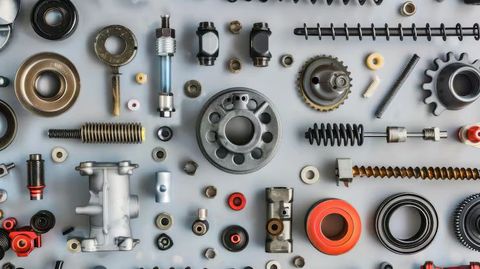
Every structure, machine, vehicle, and industrial system depends on countless components working together. While large machines and advanced technologies often receive the most attention, many industrial operations rely on small but essential parts known as Industrial Fasteners. These components play a crucial role in holding materials together, maintaining structural stability, and supporting safe operation across various industries.
From bridges and buildings to manufacturing equipment and transportation systems, industrial fasteners can be found almost everywhere. They may appear simple, but their design, material selection, and application directly influence the strength and reliability of assembled products.
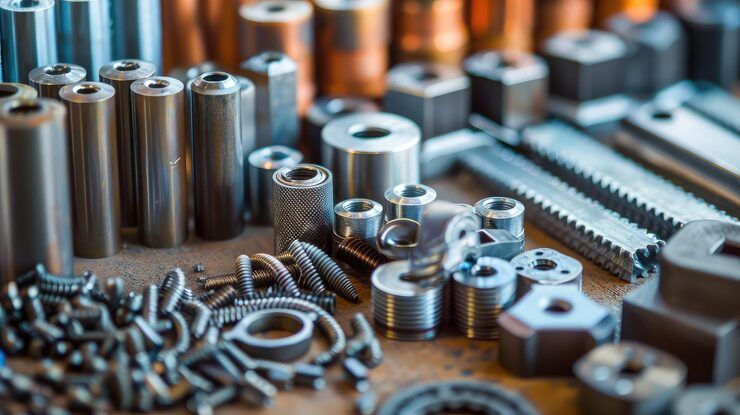
This guide explores Industrial Fasteners, including their types, functions, materials, applications, benefits, and modern developments shaping the industry.
What Are Industrial Fasteners?
Industrial Fasteners are mechanical components used to join, connect, or secure two or more objects together. They create either temporary or permanent connections depending on the application.
Fasteners are used in a wide variety of industries because they allow components to be assembled efficiently while maintaining structural integrity. Different fasteners are designed to withstand varying levels of pressure, vibration, temperature, and environmental exposure.
Common examples include:
- Bolts
- Nuts
- Screws
- Washers
- Rivets
- Studs
- Anchors
- Pins
Each type serves a specific purpose and is selected according to the requirements of a particular project or system.
Why Industrial Fasteners Are Important
Fasteners may be small, but their importance cannot be overstated. They contribute to the safety, durability, and functionality of countless structures and machines.
Structural Stability
Fasteners help maintain secure connections between components, preventing unwanted movement.
Ease of Assembly
Many fasteners allow equipment and structures to be assembled more efficiently than welding or other joining methods.
Maintenance Support
Temporary fastening systems make it easier to inspect, repair, or replace components when necessary.
Versatility
Industrial Fasteners are available in many sizes, materials, and designs suitable for diverse applications.
Load Distribution
Certain fasteners help distribute mechanical loads evenly across connected parts.
Without reliable fastening systems, many industrial processes and structures would face significant operational challenges.
Common Types of Industrial Fasteners
Various fasteners are available to meet different engineering requirements.
Bolts
Bolts are among the most widely used Industrial Fasteners. They are typically used with nuts to create secure connections.
Applications include:
- Structural steel assemblies
- Machinery
- Automotive components
- Industrial equipment
Screws
Screws feature threaded shafts that create secure connections when driven into materials.
Common uses include:
- Equipment assembly
- Electrical enclosures
- Sheet metal fabrication
- Woodworking applications
Nuts
Nuts work alongside bolts to secure connections and maintain clamping force.
Washers
Washers are placed between fasteners and surfaces to distribute pressure and reduce damage.
Rivets
Rivets create permanent connections and are commonly used in aerospace, construction, and metal fabrication.
Studs
Studs are threaded rods used in applications requiring secure and durable fastening.
Anchors
Anchors secure components to concrete, masonry, or other structural materials.
Industrial Fasteners Comparison Table
| Fastener Type | Primary Function |
|---|---|
| Bolt | Secure components with nuts |
| Screw | Threaded fastening |
| Nut | Completes bolt assemblies |
| Washer | Distributes load |
| Rivet | Permanent joining |
| Stud | Fixed threaded connection |
| Anchor | Attachment to concrete surfaces |
| Pin | Alignment and positioning |
This variety allows engineers and manufacturers to select appropriate fastening solutions for different projects.
Materials Used in Industrial Fasteners
The material used in a fastener affects its strength, durability, and resistance to environmental conditions.
Carbon Steel
Carbon steel fasteners are widely used due to their strength and versatility.
Stainless Steel
Stainless steel provides corrosion resistance and is commonly used in outdoor or moisture-prone environments.
Alloy Steel
Alloy steel fasteners are often used in applications requiring higher strength.
Brass
Brass fasteners are valued for corrosion resistance and electrical conductivity.
Aluminum
Aluminum fasteners are lightweight and commonly used in transportation and aerospace applications.
Titanium
Titanium combines strength with low weight and resistance to corrosion.
Material selection depends on the operating environment and performance requirements.
Functions of Industrial Fasteners
Industrial Fasteners perform several important functions beyond simply holding parts together.
Joining Components
Their primary role is connecting separate parts into a functional assembly.
Supporting Structural Loads
Fasteners help transfer forces between connected components.
Allowing Disassembly
Many fastening systems permit future maintenance or modifications.
Managing Vibration
Specialized fasteners can help reduce loosening caused by vibration.
Maintaining Alignment
Fasteners assist in keeping machinery and structures properly aligned.
These functions make them essential across countless industries.
Industrial Applications of Fasteners
Industrial Fasteners are used in nearly every major industrial sector.
Construction Industry
Buildings, bridges, towers, and infrastructure projects rely on fasteners for structural connections.
Manufacturing Facilities
Machinery assembly often requires thousands of fasteners working together.
Automotive Industry
Vehicles contain numerous bolts, screws, clips, and other fastening components.
Aerospace Industry
Aircraft construction depends on carefully engineered fastening systems.
Energy Sector
Power plants, wind turbines, and transmission systems use fasteners extensively.
Electronics Manufacturing
Small precision fasteners are often used in electronic devices and equipment enclosures.
Factors Affecting Fastener Selection
Choosing the appropriate fastener requires evaluating several factors.
Load Requirements
Fasteners must withstand expected forces and stresses.
Environmental Conditions
Exposure to moisture, chemicals, or extreme temperatures influences material selection.
Vibration Levels
Certain applications require locking mechanisms to prevent loosening.
Corrosion Resistance
Outdoor and marine environments often require corrosion-resistant materials.
Assembly Requirements
Some projects require fasteners that allow easy maintenance and disassembly.
Engineers carefully assess these factors before selecting fastening solutions.
Maintenance and Inspection
Fasteners require periodic inspection to maintain safety and reliability.
Visual Inspection
Regular checks help identify corrosion, wear, or damage.
Torque Verification
Proper tightening helps maintain secure connections.
Replacement of Damaged Components
Worn or damaged fasteners should be replaced according to maintenance procedures.
Corrosion Monitoring
Monitoring helps prevent structural deterioration in challenging environments.
Documentation
Many industries maintain inspection records for safety and compliance purposes.
Routine maintenance supports long-term performance and operational reliability.
Recent Trends in Industrial Fasteners
Technological advancements continue to influence fastener design and manufacturing.
High-Strength Materials
New alloys are being developed for demanding industrial environments.
Corrosion-Resistant Coatings
Advanced coatings help improve durability and environmental resistance.
Lightweight Solutions
Industries such as transportation increasingly seek lightweight fastening systems.
Precision Manufacturing
Modern production methods improve consistency and dimensional accuracy.
Smart Fasteners
Research continues into fasteners equipped with sensors capable of monitoring load and performance conditions.
These innovations support evolving industrial requirements.
Safety Considerations
Fastener failure can affect structural integrity and equipment performance.
Important safety practices include:
- Following installation guidelines
- Using appropriate torque values
- Conducting regular inspections
- Replacing damaged components
- Selecting materials suitable for operating conditions
Attention to these practices helps reduce operational risks.
The Future of Industrial Fasteners
As industries continue adopting automation, advanced materials, and digital technologies, Industrial Fasteners are evolving as well. New manufacturing techniques, improved coatings, and intelligent monitoring systems are expanding the capabilities of fastening solutions.
Future developments may focus on enhanced durability, lighter materials, greater corrosion resistance, and integration with industrial monitoring technologies. Despite advancements in joining methods, fasteners are expected to remain fundamental components across manufacturing, infrastructure, transportation, and energy sectors.
Conclusion
Industrial Fasteners are essential components that support the assembly, stability, and operation of countless industrial systems. From bolts and screws to rivets and anchors, these small parts play a major role in construction, manufacturing, transportation, and energy production. Their material selection, design, and application directly influence safety and performance. As technology continues to advance, Industrial Fasteners remain an important part of modern engineering and industrial development.

Related Post...

Discover Premium Hospitality and Elegant Comfort with Trident Hotels
Updated: September 10, 2026
Read More
Kia SUV Range Explained: Models, Capabilities, and Driving Experience
Updated: September 12, 2026
Read More
Discover How Chemical Fluid Manufacturing Improves Efficiency Across Industries
Updated: August 25, 2026
Read More