Discover How Hydrogen Air Generators Support Modern Laboratory and Industrial Operations
Hydrogen has become an important gas in many scientific, industrial, and analytical applications. From research laboratories to manufacturing facilities, hydrogen is used for processes that require precision, consistency, and reliable gas supply.
Traditionally, hydrogen was often stored and supplied through gas cylinders. However, advancements in gas generation technology have introduced another approach: Hydrogen Air Generators.
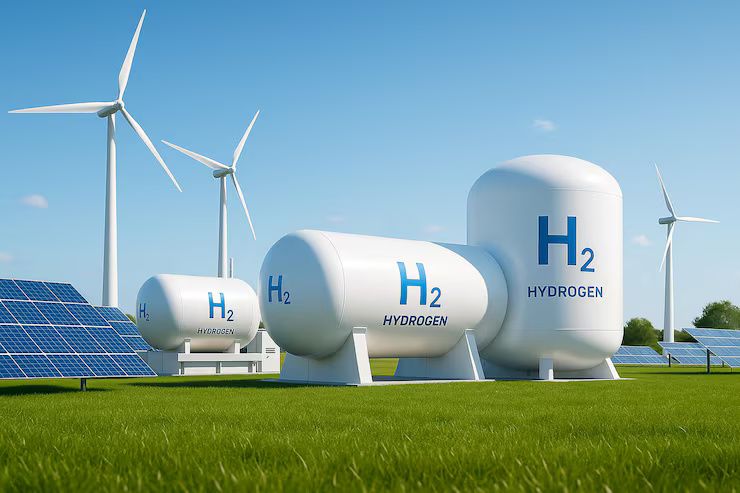
Hydrogen Air Generators are systems designed to produce hydrogen gas on-site through controlled processes. These machines help laboratories and industrial facilities access hydrogen when needed without relying entirely on stored gas cylinders. As industries continue to focus on operational efficiency, workplace safety, and process control, interest in Hydrogen Air Generators has steadily increased.
This guide explores how Hydrogen Air Generators work, their applications, major components, benefits, limitations, and their role in modern laboratory and industrial environments.
Understanding Hydrogen Air Generators
Hydrogen Air Generators are machines that generate hydrogen gas through electrolysis or related technologies. Electrolysis is a process that separates hydrogen and oxygen from water using electrical energy.
Instead of storing large quantities of hydrogen in cylinders, facilities can generate hydrogen on demand. The produced gas can then be supplied directly to laboratory instruments or industrial systems.
These generators are commonly used in:
- Research laboratories
- Analytical testing facilities
- Pharmaceutical production
- Chemical industries
- Food analysis laboratories
- Environmental monitoring centers
- Manufacturing facilities
The technology allows users to maintain a consistent hydrogen supply while reducing some of the logistical challenges associated with traditional gas storage methods.
Why Hydrogen Is Important in Modern Applications
Hydrogen is valued because of its unique properties. It is lightweight, highly reactive, and suitable for many scientific and industrial processes.
Some common uses include:
- Gas chromatography analysis
- Fuel cell research
- Chemical synthesis
- Material testing
- Environmental studies
- Semiconductor production
- Quality control laboratories
In analytical laboratories, hydrogen often functions as a carrier gas that helps transport samples through testing instruments.
How Hydrogen Air Generators Work
Although designs vary, most Hydrogen Air Generators operate using a similar principle.
Water Input
The process begins with purified water entering the generator system.
Electrolysis Process
An electric current passes through the water. This separates water molecules into hydrogen and oxygen gases.
Gas Separation
The generated hydrogen is isolated from oxygen using specialized membranes or separation technologies.
Purification Stage
Additional filters and purification systems remove moisture and impurities.
Controlled Delivery
The purified hydrogen is delivered at a specified pressure and flow rate to laboratory instruments or industrial equipment.
This continuous generation process allows users to access hydrogen as required for daily operations.
Main Components of Hydrogen Air Generators
Several components work together to ensure reliable gas production.
Electrolysis Cell
The electrolysis cell is the core section where hydrogen generation occurs.
Water Reservoir
This component stores purified water required for gas production.
Purification Filters
Filters help improve hydrogen purity by removing contaminants.
Pressure Regulation System
Pressure controls ensure stable gas delivery.
Monitoring System
Digital displays and sensors monitor system performance, pressure levels, and operational status.
Safety Features
Modern units often include automatic shutdown systems, leak detection mechanisms, and pressure protection devices.
Common Applications of Hydrogen Air Generators
Hydrogen Air Generators are used in many fields due to their versatility.
Gas Chromatography
One of the most common applications is gas chromatography.
Hydrogen can function as:
- Carrier gas
- Detector fuel gas
- Analytical support gas
Laboratories use hydrogen because of its performance characteristics in many analytical procedures.
Pharmaceutical Research
Hydrogen supports research activities involving chemical analysis and quality control.
Environmental Testing
Environmental laboratories often conduct air, water, and soil testing using analytical instruments that require hydrogen.
Chemical Manufacturing
Various chemical processes use hydrogen as a reaction component or processing gas.
Electronics Manufacturing
Hydrogen may be utilized during semiconductor production and specialized industrial processes.
Benefits of Hydrogen Air Generators
The growing use of Hydrogen Air Generators is linked to several practical advantages.
Continuous Gas Availability
On-site generation provides a consistent source of hydrogen when properly maintained.
Reduced Cylinder Handling
Facilities may reduce dependence on transporting and storing multiple gas cylinders.
Space Efficiency
Many generator systems occupy less storage space compared to large cylinder inventories.
Improved Process Control
Operators can monitor hydrogen production directly through integrated control systems.
Consistent Purity Levels
Modern generators are designed to maintain stable gas quality suitable for analytical and industrial applications.
Comparison of Hydrogen Supply Methods
| Feature | Hydrogen Air Generators | Gas Cylinders |
|---|---|---|
| Gas Production | On-site generation | External supply |
| Storage Needs | Lower storage requirements | Cylinder storage required |
| Supply Continuity | Continuous generation | Dependent on cylinder replacement |
| Monitoring | Integrated digital systems | External monitoring methods |
| Transportation Needs | Minimal | Regular delivery logistics |
The suitability of each option depends on facility requirements and operational preferences.
Safety Considerations
Hydrogen is highly flammable, making safety an important aspect of its use.
Leak Detection
Regular inspections help identify potential leaks.
Ventilation
Proper ventilation reduces gas accumulation risks.
Equipment Maintenance
Routine maintenance helps maintain safe operation.
Staff Training
Personnel should understand operating procedures and emergency protocols.
Compliance Standards
Facilities often follow local safety regulations governing gas handling and laboratory operations.
Modern Hydrogen Air Generators include various safety mechanisms designed to support safe usage under normal operating conditions.
Recent Technological Developments
Technology continues to improve the performance of Hydrogen Air Generators.
Smart Monitoring Systems
Many generators now include digital interfaces with real-time monitoring.
Remote Diagnostics
Certain systems allow technical monitoring through network-connected platforms.
Improved Purification Technology
Advancements in filtration systems help maintain high hydrogen purity.
Energy Optimization
New designs focus on reducing electricity consumption while maintaining performance.
Compact Equipment Design
Manufacturers continue developing smaller systems suitable for laboratories with limited space.
Factors to Consider Before Selecting a Generator
Several factors influence the suitability of a Hydrogen Air Generator.
Hydrogen Demand
Facilities should evaluate daily gas consumption requirements.
Purity Requirements
Different applications may require specific purity levels.
Flow Rate Capacity
Generators are available with varying production capacities.
Installation Space
Available workspace influences equipment selection.
Water Quality Requirements
Most systems require purified water for optimal performance.
Maintenance Needs
Understanding maintenance schedules supports long-term operation.
Environmental Considerations
Hydrogen generation technology is increasingly discussed within broader sustainability conversations.
Some environmental aspects include:
- Reduced transportation requirements compared to frequent cylinder deliveries
- Efficient use of purified water
- Lower storage demands
- Support for modern analytical technologies
Environmental outcomes vary depending on energy sources used to power the generator and the specific operational environment.
Future Outlook
Hydrogen-related technologies continue to receive attention across scientific and industrial sectors.
Several trends may shape future development:
- Increased automation
- Enhanced safety monitoring
- Greater integration with laboratory management systems
- Improved energy efficiency
- Expanded use in research and manufacturing
As analytical and industrial processes become more advanced, hydrogen generation systems are likely to remain an important part of many facilities.
Conclusion
Hydrogen Air Generators have become valuable tools in laboratories, research centers, and industrial operations that require a reliable hydrogen supply. By generating hydrogen on-site through electrolysis, these systems support analytical testing, chemical processing, environmental research, and manufacturing activities. Modern designs incorporate safety features, digital monitoring, and purification technologies that help maintain consistent performance. As technology continues to evolve, Hydrogen Air Generators are expected to remain closely connected to many scientific and industrial applications.

Related Post...

Hapag-Lloyd Container Shipping Complete Guide to International Cargo Transportation
Updated: September 03, 2026
Read More
Discover How Chemical Fluid Manufacturing Improves Efficiency Across Industries
Updated: August 25, 2026
Read More
Security Commercial Door Beginner Guide to Choosing Reliable Building Security Features
Updated: September 08, 2026
Read More