Metal Machining Complete Guide to Precision Manufacturing and Modern Engineering
Metal is one of the most widely used materials in modern manufacturing. From vehicle components and medical instruments to household appliances and industrial machinery, metal parts play an important role in everyday life.
Creating these parts with accuracy requires carefully controlled manufacturing processes. This is where Metal Machining becomes essential.
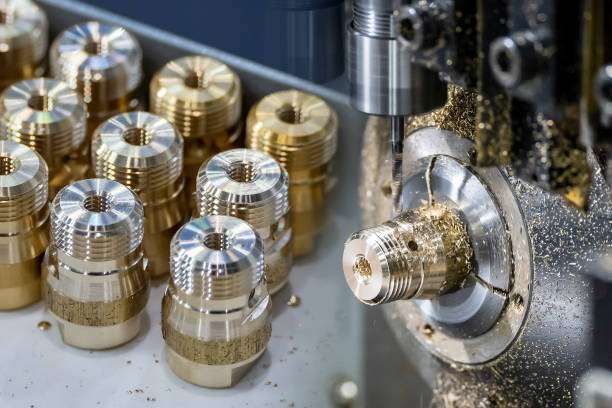
Metal machining involves shaping and finishing metal into specific sizes and forms using specialized machines and cutting tools. Whether producing a single component or thousands of identical parts, machining helps manufacturers achieve consistent dimensions and smooth finishes. Over time, advances in automation, computer-controlled equipment, and digital monitoring have made machining more accurate and efficient than ever before.
This guide explains what Metal Machining is, how it works, common machining methods, materials, equipment, quality control, safety practices, and the latest developments in precision manufacturing.
What Is Metal Machining?
Metal Machining is the process of removing material from a metal workpiece to create a desired shape, size, or surface finish. It is used in many industries where precision and consistency are important.
Machining can produce components ranging from simple brackets to highly detailed parts used in aerospace, healthcare, automotive, and electronics.
Typical machining operations include:
Cutting
Drilling
Milling
Turning
Grinding
Boring
Reaming
Threading
Each process is selected according to the design and function of the finished component.
Why Metal Machining Is Important
Manufactured products often require precise dimensions that cannot be achieved with raw materials alone. Machining helps create parts that fit together accurately and perform reliably.
Metal machining supports:
Precision manufacturing
Consistent dimensions
Smooth surface finishes
Complex component shapes
Accurate assembly
Reliable product quality
These advantages make machining a core part of modern engineering.
Common Metal Machining Processes
Different machining methods are used depending on the material and design requirements.
Milling
Milling uses rotating cutting tools to remove material from a stationary workpiece. It is commonly used for creating slots, pockets, flat surfaces, and complex shapes.
Turning
Turning rotates the workpiece while a cutting tool removes material. This process is commonly used for cylindrical parts such as shafts and bushings.
Drilling
Drilling creates round holes of different sizes using rotating drill bits. It is one of the most frequently used machining operations.
Grinding
Grinding uses abrasive wheels to achieve smooth finishes and precise dimensions after other machining processes are completed.
Boring
Boring enlarges or refines existing holes to improve their size and accuracy.
Metals Commonly Used
Different metals are selected based on strength, durability, weight, and corrosion resistance.
Common materials include:
Carbon steel
Stainless steel
Aluminum
Brass
Copper
Titanium
Cast iron
Tool steel
Each material responds differently during machining and requires suitable cutting tools and machining conditions.
Equipment Used in Metal Machining
Modern workshops use a variety of machines to perform machining operations.
Common equipment includes:
CNC milling machines
CNC lathes
Drill presses
Surface grinders
Machining centers
Band saws
Measuring instruments
Tool holders
Computer-controlled equipment has significantly improved machining accuracy and repeatability.
Computer-Controlled Machining
Computer Numerical Control (CNC) technology has transformed modern machining by automating many production tasks.
CNC systems help manufacturers:
Produce consistent parts
Reduce manual adjustments
Improve dimensional accuracy
Handle complex designs
Monitor production efficiently
Programming instructions guide machine movements with high precision, making CNC machining suitable for many industries.
Metal Machining Overview
| Process | Purpose |
|---|---|
| Milling | Creates flat and complex surfaces |
| Turning | Produces cylindrical components |
| Drilling | Forms precise holes |
| Grinding | Improves surface finish |
| Boring | Refines existing holes |
| CNC Machining | Automates precision manufacturing |
Quality Control in Machining
Maintaining consistent quality is an important part of machining operations.
Quality control may include:
Dimensional measurement
Surface finish inspection
Visual examination
Tool condition monitoring
Machine calibration
Process verification
These activities help ensure finished parts meet design specifications.
Safety Practices
Working with machining equipment requires careful attention to safety.
Important practices include:
Wearing protective eyewear
Keeping work areas organized
Inspecting tools before use
Securing workpieces properly
Following machine operating instructions
Using emergency stop controls when needed
Safety awareness supports a productive and organized workplace.
Challenges in Metal Machining
Although machining technology has advanced significantly, manufacturers continue to manage several practical challenges.
Examples include:
Tool wear
Heat generation
Material hardness
Tight dimensional tolerances
Chip removal
Machine maintenance
Careful planning and process monitoring help reduce these challenges.
Recent Developments
Modern machining continues evolving with new technologies.
Current trends include:
Artificial intelligence-assisted monitoring
Smart machine sensors
Industrial Internet of Things (IIoT)
Digital twin technology
Real-time production analytics
Advanced cutting tool materials
Automated inspection systems
These innovations improve production visibility and manufacturing efficiency.
Environmental Considerations
Manufacturing facilities are increasingly adopting practices that reduce environmental impact.
Examples include:
Efficient use of raw materials
Recycling metal chips
Improved coolant management
Energy-efficient machinery
Digital process optimization
These approaches help support more responsible manufacturing while maintaining production quality.
Looking Ahead
The future of metal machining is expected to include even greater automation, intelligent machine monitoring, advanced robotics, and stronger integration with digital manufacturing systems. Improvements in cutting tools, software, and production analytics will continue supporting higher precision, improved efficiency, and better process control across a wide range of industries.
Why Understanding Metal Machining Matters
Learning about Metal Machining helps explain how precision components are created for products used every day. From transportation and healthcare to electronics and industrial equipment, machining provides the accuracy needed for reliable manufacturing.
Understanding the different machining methods, equipment, materials, and quality practices also highlights the important role this process plays in modern engineering and industrial production.
Conclusion
Metal Machining remains one of the most important manufacturing processes used to create accurate, reliable, and durable metal components. Through techniques such as milling, turning, drilling, grinding, and CNC machining, manufacturers can produce parts that meet demanding engineering requirements. As automation and digital technologies continue advancing, metal machining will remain a key foundation of precision manufacturing and modern engineering.

Related Post...
Machined Components Essential Insights for Modern Manufacturing and Precision Engineering
Updated: September 17, 2026
Read More
What You Should Know About CNC Machines Before Exploring Automated Manufacturing
Updated: September 10, 2026
Read More
Gamut Machine Tools Complete Guide to Precision Manufacturing Solutions
Updated: October 05, 2026
Read More