What You Should Know About Virtual Fitting Rooms Before Shopping Online
Online shopping has transformed the way people purchase clothing, footwear, eyewear, cosmetics, and accessories. While digital storefronts provide convenience and a wide range of choices, one common challenge has always been determining how a product might fit or look before making a purchase.
Virtual Fitting Rooms address this challenge by using advanced technologies to help shoppers visualize products digitally and make more informed decisions.
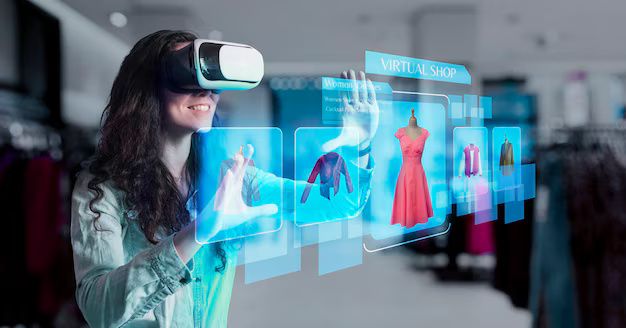
Powered by artificial intelligence (AI), augmented reality (AR), computer vision, and 3D modeling, virtual fitting room technology is becoming increasingly common across the retail industry. Understanding how these tools work, their advantages, and their limitations can help consumers enjoy a smoother online shopping experience.
This guide explains virtual fitting rooms, how they function, common applications, privacy considerations, and the latest trends shaping digital retail.
Note: Features, accuracy, supported devices, privacy practices, and user experiences vary by retailer and technology provider. This article is intended for general educational purposes only.
What Are Virtual Fitting Rooms?
Virtual Fitting Rooms are digital tools that allow shoppers to preview how selected products may appear on their body, face, or surroundings before completing an online purchase. Depending on the platform, users may upload a photo, create a digital avatar, enter body measurements, or use a device camera for a live virtual experience.
Virtual fitting technologies are commonly used for:
Clothing
Footwear
Eyewear
Jewelry
Watches
Cosmetics
Hats
Fashion accessories
The available features depend on the retailer and technology platform.
How Virtual Fitting Rooms Work
Modern virtual fitting solutions combine several technologies to create interactive experiences.
Common technologies include:
Artificial Intelligence
AI analyzes body measurements, product dimensions, and fit recommendations.
Augmented Reality
AR overlays digital products onto live camera views, allowing users to preview items in real time.
Computer Vision
Computer vision detects body position, facial features, and movement to improve product placement.
3D Modeling
Digital product models help simulate appearance from different viewing angles.
Digital Avatars
Some platforms create personalized avatars using user-provided measurements for a customized fitting experience.
Why Virtual Fitting Rooms Matter
Virtual fitting technology helps improve the online shopping experience.
Potential benefits include:
Better product visualization
Increased shopping confidence
Easier comparison of styles
Improved size selection
More engaging online experiences
Greater convenience
Time savings during product selection
Enhanced product exploration
Actual results depend on product design, measurement accuracy, and platform capabilities.
Common Retail Applications
Virtual fitting technology is expanding across many retail categories.
Apparel
Preview clothing styles and estimated fit.
Eyewear
Visualize different frame shapes and colors.
Cosmetics
Test makeup shades virtually before selecting products.
Footwear
Explore shoe styles and appearance from multiple perspectives.
Jewelry
Preview rings, necklaces, earrings, and bracelets digitally.
Home Décor
Some platforms extend virtual visualization to furniture and decorative items within living spaces.
Privacy and Security Considerations
Many virtual fitting systems process images or measurement data.
Helpful considerations include:
Review the retailer's privacy policy.
Understand how personal images are stored.
Check whether uploaded photos are retained.
Use trusted retail platforms.
Review data-sharing practices.
Update device software regularly.
Protect account credentials.
Manage camera permissions carefully.
Being informed helps users make confident decisions about sharing personal information.
Virtual Fitting Rooms Overview
| Feature | Primary Purpose |
|---|---|
| Artificial Intelligence | Analyze fit and size recommendations |
| Augmented Reality | Display products in a live camera view |
| Computer Vision | Detect body or facial positioning |
| 3D Modeling | Create realistic product visualization |
| Digital Avatars | Simulate personalized fitting experiences |
| Size Guidance | Support product selection decisions |
Tips for Using Virtual Fitting Rooms
Following a few practical steps can improve the experience.
Helpful suggestions include:
Enter accurate body measurements when requested.
Use good lighting for camera-based fitting.
Follow platform instructions carefully.
Compare sizing information with product guides.
Review product descriptions.
Explore multiple styles before deciding.
Verify return and exchange policies.
Update mobile applications regularly.
These practices can help users make better-informed purchasing decisions.
Current Industry Trends
Retail technology continues to evolve rapidly.
Recent developments include:
Artificial intelligence-powered fit recommendations
Real-time body scanning
Smartphone-based augmented reality
Personalized shopping experiences
Cross-device virtual fitting
Cloud-based 3D rendering
Digital fashion visualization
Sustainable retail initiatives aimed at reducing product returns
These innovations are reshaping how consumers interact with online stores.
Looking Ahead
The future of Virtual Fitting Rooms is expected to include more realistic 3D avatars, improved body measurement accuracy, enhanced personalization through artificial intelligence, and deeper integration with mobile commerce platforms. As digital retail continues to evolve, virtual fitting technology is likely to become an increasingly common feature of online shopping experiences.
Why Understanding Virtual Fitting Rooms Matters
Understanding Virtual Fitting Rooms helps shoppers evaluate how digital fitting technology works, recognize its capabilities, and make more informed purchasing decisions. Awareness of sizing guidance, privacy considerations, and platform features supports a safer and more convenient online shopping experience.
Conclusion
Virtual Fitting Rooms are changing online shopping by combining artificial intelligence, augmented reality, and 3D visualization to help consumers preview products before purchasing. While the technology continues to improve, understanding how it works, its benefits, and its limitations enables shoppers to use these tools more effectively. As innovation advances, virtual fitting experiences are expected to become even more accurate, interactive, and widely available across the retail industry.

Related Post...

Discover How Linx Laser Integrerad Enhances Industrial Coding and Marking
Updated: September 10, 2026
Read More
Discover the Basics of Product Data Analysis Tools and Data Driven Strategies
Updated: September 12, 2026
Read More
AI-Powered Video Telematics Explained: Features, Benefits, and Applications
Updated: September 09, 2026
Read More