Voice Translation Complete Guide to Real Time Language Communication
Language helps people share ideas, ask questions, solve problems, and build relationships. However, when two people speak different languages, communication can become challenging.
Advances in artificial intelligence and speech technology have made conversations across languages much easier than they were in the past. One of the most useful developments is Voice Translation, a technology that converts spoken words from one language into another within seconds.
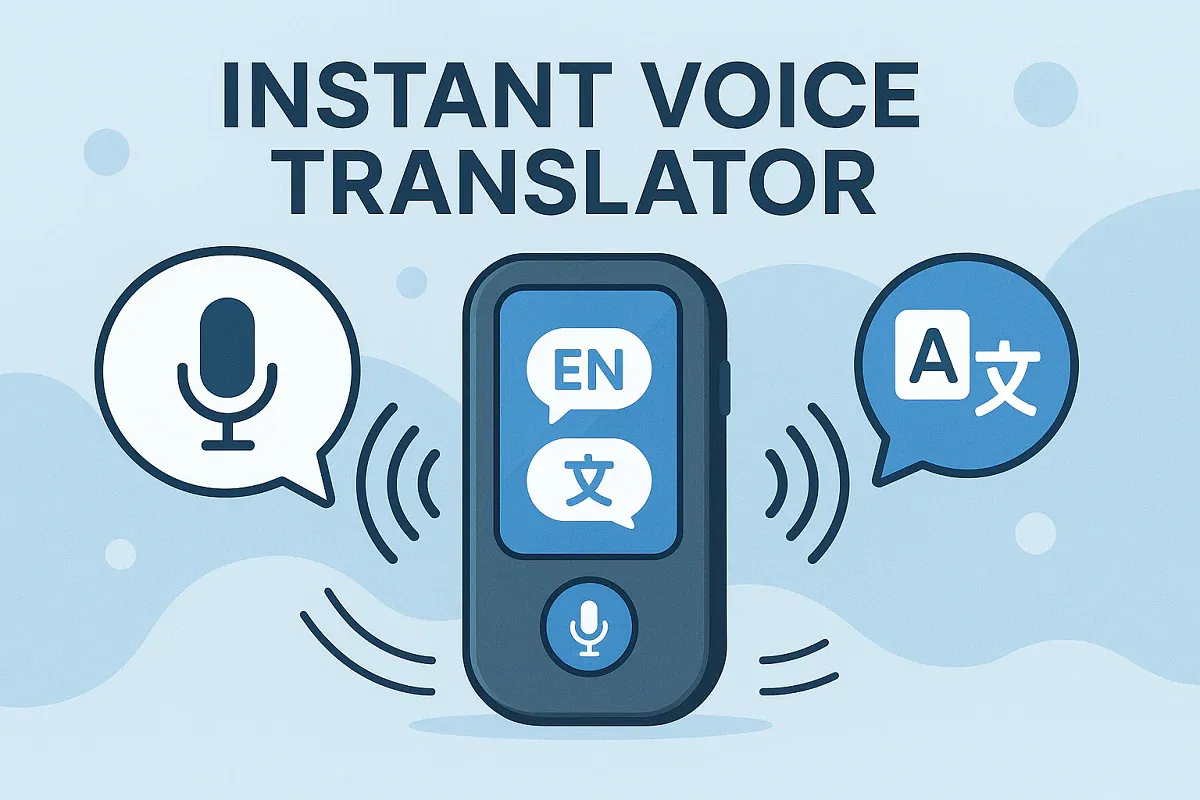
Voice Translation is now used in travel, education, healthcare, business meetings, online learning, and international communication. Instead of relying only on written translations, people can speak naturally while technology interprets their words in another language. Although human interpreters remain important in many situations, voice translation tools provide an additional way to support everyday communication.
This guide explains what Voice Translation is, how it works, its key features, practical applications, benefits, challenges, and future trends.
What Is Voice Translation?
Voice Translation is a technology that listens to spoken language, converts it into text, translates it into another language, and then generates spoken or written output for the listener.
This process combines several artificial intelligence technologies, allowing conversations to continue with minimal interruption.
Voice translation is commonly used for:
International travel
Business meetings
Online learning
Customer communication
Healthcare support
Conferences
Language learning
Tourism
Public information
Everyday conversations
The goal is to make communication easier when participants speak different languages.
Why Voice Translation Matters
Global communication has become a regular part of modern life. People study abroad, travel internationally, collaborate with overseas colleagues, and communicate with friends and family across different countries.
Voice Translation helps by:
Reducing language barriers
Supporting international communication
Improving accessibility
Assisting multilingual conversations
Helping travelers understand local languages
Supporting educational activities
It creates opportunities for smoother conversations between speakers of different languages.
How Voice Translation Works
Although the underlying technology is advanced, the process follows several straightforward steps.
Speech Recognition
The system listens to spoken words and converts speech into digital text.
Modern speech recognition can identify different speaking styles, accents, and pronunciation patterns.
Language Processing
Artificial intelligence analyzes the meaning of the sentence rather than translating each word individually.
This helps produce more natural translations.
Translation
The processed text is converted into the selected language using machine translation models.
Speech Generation
The translated text is spoken aloud using text-to-speech technology or displayed as written text on the screen.
The conversation can then continue with the next speaker.
Technologies Behind Voice Translation
Several advanced technologies work together to make voice translation possible.
These include:
Speech recognition
Artificial intelligence
Machine learning
Natural language processing
Machine translation
Text-to-speech synthesis
Each technology contributes to a different stage of the translation process.
Common Features
Modern Voice Translation platforms often include useful communication tools.
Real-Time Translation
Conversations can be translated while people are speaking.
Multiple Language Support
Many systems recognize dozens of languages and regional dialects.
Conversation Mode
Some applications allow two people speaking different languages to communicate through a shared device.
Voice Playback
Translated sentences can be spoken aloud to improve understanding.
Text Display
Many platforms display both the original and translated text, making conversations easier to follow.
Applications Across Different Fields
Voice Translation supports communication in many situations.
Travel
Travelers use translation tools to ask questions, read directions, and communicate with local residents.
Education
Students and teachers use voice translation during multilingual learning activities and international collaboration.
Healthcare
Healthcare environments may use translation technology to support communication between patients and healthcare professionals while following appropriate privacy practices.
Business
Organizations use multilingual communication tools during international meetings and collaborative discussions.
Tourism
Museums, visitor centers, and cultural organizations use voice translation to improve accessibility for international visitors.
Voice Translation Overview
| Feature | Purpose |
|---|---|
| Speech Recognition | Converts spoken words into text |
| Language Translation | Changes text into another language |
| Voice Playback | Speaks translated content |
| Conversation Mode | Supports multilingual discussions |
| Text Display | Shows original and translated text |
| Multiple Languages | Supports communication across regions |
Benefits
Voice Translation provides several practical advantages.
Common benefits include:
Easier multilingual communication
Faster conversations
Improved accessibility
Better travel experiences
Support for international collaboration
Assistance with language learning
These features help people communicate more comfortably across language differences.
Challenges
Like any language technology, voice translation has limitations.
Common considerations include:
Regional accents
Cultural expressions
Background noise
Technical terminology
Internet connectivity
Language context
Human review may still be important for conversations involving highly specialized or sensitive information.
Privacy and Responsible Use
Voice Translation systems process spoken information, making responsible data handling important.
Good practices include:
Reviewing privacy settings
Using secure networks
Protecting personal information
Understanding application permissions
Following local privacy regulations
Confirming important translations when accuracy is essential
These habits support responsible use of language technologies.
Future Trends
Voice translation technology continues advancing rapidly.
Recent developments include:
More natural speech generation
Improved multilingual conversations
Better recognition of regional accents
Faster processing speeds
Artificial intelligence-assisted context understanding
Enhanced offline capabilities
Improved accessibility features
These innovations continue making multilingual communication more natural.
Looking Ahead
As artificial intelligence continues evolving, Voice Translation is expected to become more accurate, responsive, and widely available across different devices. Future developments may include smoother conversations, stronger contextual understanding, and broader language support while maintaining privacy and responsible data management.
These improvements will continue helping people communicate across language barriers.
Why Understanding Voice Translation Matters
Language plays an important role in education, travel, healthcare, business, and everyday life. Understanding Voice Translation helps explain how speech recognition, artificial intelligence, machine learning, and natural language processing work together to support communication between people who speak different languages.
As global communication continues expanding, voice translation will remain an important technology for improving understanding across cultures and communities.
Conclusion
Voice Translation combines speech recognition, machine translation, artificial intelligence, and voice synthesis to support conversations between speakers of different languages. By simplifying multilingual communication across travel, education, healthcare, and business, it helps people exchange information more easily while respecting language differences. As technology continues developing, Voice Translation will remain an important part of modern digital communication.

Related Post...

Explore How Connected TV Ads Improve Audience Reach on Streaming Platforms
Updated: September 24, 2026
Read More
Explore How Google Ads Improves Online Visibility and Audience Reach
Updated: September 18, 2026
Read More
Explore How Algo Trading Platforms Simplify Market Analysis and Trade Execution
Updated: October 09, 2026
Read More