Machine Manufacturing Companies: Discover Modern Industrial Solutions
Machines play an important role in modern industry. They help manufacturers shape materials, assemble products, move goods, package items, and perform tasks that would otherwise require considerable manual effort.
From small workshops to large production facilities, industrial machines support the daily activities that keep many industries operating.
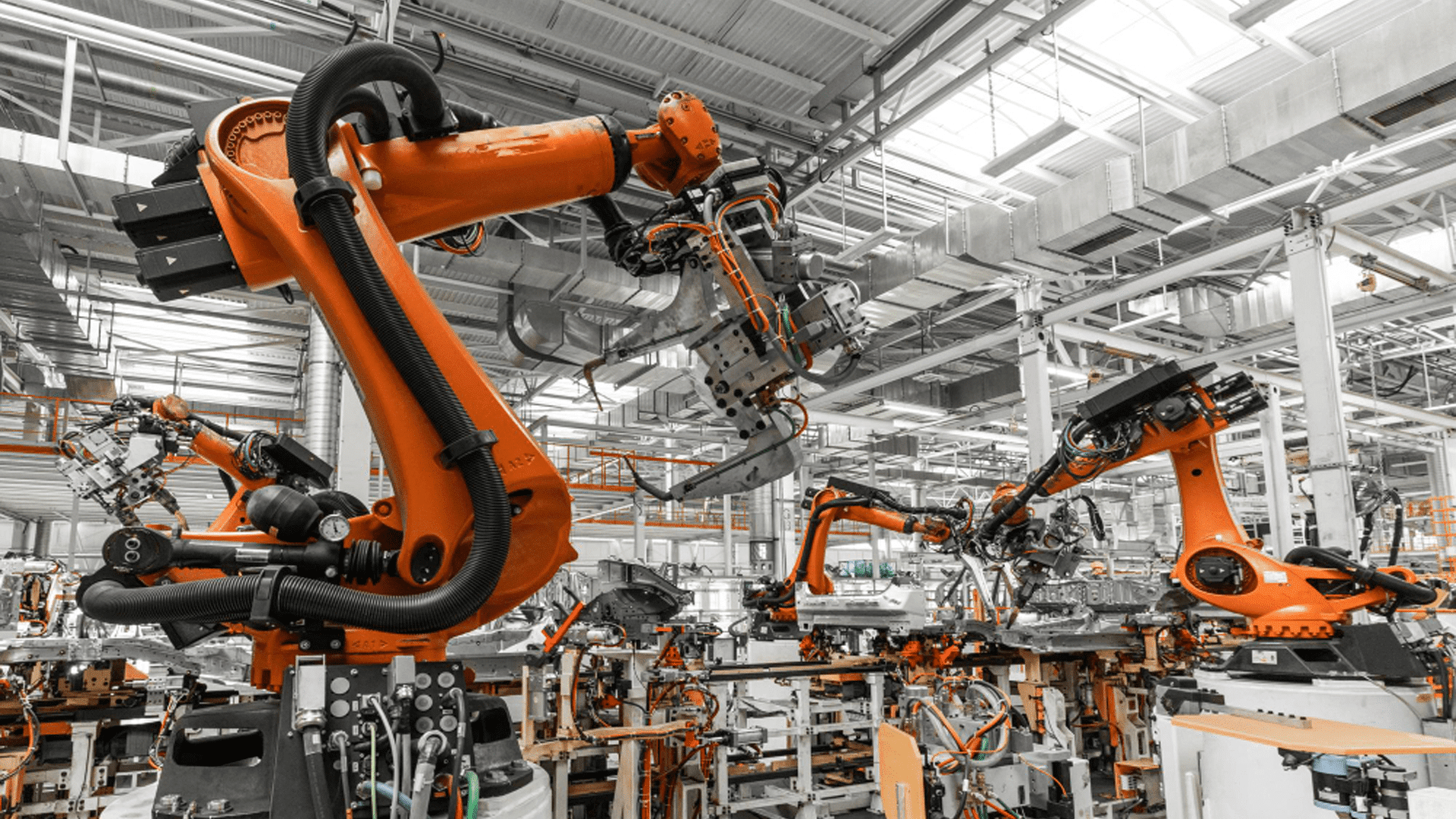
Machine Manufacturing Companies design and produce equipment for different industrial needs. Their work may include developing machine components, building complete production systems, integrating automation technologies, and testing equipment before it enters operation. The machinery produced can be used in automotive manufacturing, food processing, packaging, construction, agriculture, textiles, and many other fields.
As industrial requirements change, manufacturers are exploring ways to improve precision, reduce material waste, monitor equipment performance, and create safer working environments. Understanding these developments helps businesses and general readers learn how modern machinery supports production and industrial growth.
What Are Machine Manufacturing Companies?
Machine Manufacturing Companies are organizations that design, build, assemble, or develop machinery used for industrial and commercial applications. Their products range from simple mechanical tools to complex automated production systems.
Some companies focus on a particular category, such as packaging equipment, machine tools, agricultural machinery, or material-handling systems. Others manufacture equipment for several industries or specialize in customized machinery built around a customer's production requirements.
The manufacturing process usually begins with understanding the intended application. Engineers consider factors such as the materials being processed, the required output, operating conditions, safety standards, and available factory space.
Designers then prepare technical drawings and select suitable materials and components. Depending on the machine, production may involve cutting, machining, welding, forming, electrical assembly, software integration, and performance testing.
The finished equipment must meet relevant technical specifications and safety requirements before it is installed and used.
Types of Industrial Machinery
Industrial machinery covers many categories, each designed to perform specific tasks. Understanding these categories helps explain how equipment supports different production activities.
1. CNC Machines and Machine Tools
Computer numerical control, or CNC, machines use programmed instructions to control tools and manufacturing movements. They can cut, drill, mill, or shape materials such as metal, plastic, and wood.
CNC equipment is widely used in automotive production, aerospace manufacturing, electronics, and precision engineering. Its programmed operation helps maintain consistent dimensions across repeated production runs.
The results depend on machine calibration, tool condition, material selection, and the accuracy of the original design. Operators also need appropriate training to prepare programs and monitor machining activities.
2. Packaging and Filling Machines
Packaging machines prepare products for storage, transportation, and distribution. They may fill containers, seal packages, apply labels, wrap products, or arrange items into cartons.
Food processing, pharmaceuticals, cosmetics, and household product manufacturing frequently use these systems. The appropriate equipment depends on the product's physical properties, packaging material, hygiene requirements, and production volume.
Automated packaging lines may connect several machines so that products move through filling, sealing, inspection, and labeling stages with limited manual handling.
3. Material-Handling Equipment
Material-handling machines move raw materials, components, and finished goods within industrial facilities. Examples include conveyors, industrial lifts, automated guided vehicles, and robotic handling systems.
These machines can help organize production areas and reduce repeated manual movement. Their design must account for load capacity, travel paths, workplace layout, and safety procedures.
4. Agricultural and Construction Machinery
Agricultural machinery supports activities such as planting, irrigation, harvesting, and soil preparation. Construction equipment includes excavators, loaders, cranes, and concrete-processing machines.
These machines are designed for particular working conditions, including uneven terrain, heavy loads, outdoor exposure, and changing weather. Maintenance and operator training are important for safe and dependable operation.
How Machine Manufacturing Companies Develop Equipment
Producing industrial machinery requires coordination among engineering, materials, production, and quality teams. Although the exact process varies, several stages are common.
Design and Engineering
Engineers define what the machine must accomplish and determine its dimensions, operating speed, power requirements, and control methods. Computer-aided design software helps create detailed models and technical drawings.
For complex systems, simulations can help identify potential weaknesses before physical production begins. This stage may also include ergonomic planning to make controls easier to use and maintenance tasks more accessible.
Material Selection and Component Production
Materials are selected according to strength, durability, temperature resistance, corrosion exposure, and intended use. Steel, aluminum, specialized alloys, plastics, and composite materials may all be used in industrial equipment.
Components are produced through processes such as machining, casting, forming, cutting, and welding. Precision is particularly important when parts must fit together or move in a controlled manner.
Assembly and Testing
After components are prepared, technicians assemble the mechanical, electrical, and control systems. Depending on the equipment, this may include motors, sensors, wiring, hydraulic components, pneumatic systems, and programmable controllers.
Testing checks whether the machine operates according to its design. Engineers may examine accuracy, movement, operating temperature, emergency stops, guarding, and performance under expected loads.
Documentation and operating instructions are also important because they help users understand safe operation and routine maintenance.
Modern Technologies Shaping Industrial Machinery
Technology is changing how machines are designed, operated, and maintained. These developments can improve visibility into production activities and help manufacturers respond to changing requirements.
Industrial Automation and Robotics
Automation uses control systems to perform tasks with limited direct human intervention. Robots can handle repetitive movements, weld components, inspect products, or move materials between workstations.
Automated equipment can improve consistency when tasks are clearly defined and systems are properly maintained. However, it still requires human supervision, suitable programming, safety controls, and adjustments when production conditions change.
Internet of Things Sensors
Industrial Internet of Things technology connects machines and sensors to systems that collect operating data. Sensors may measure vibration, temperature, pressure, speed, or energy consumption.
This information helps operators understand equipment conditions and identify unusual changes. For example, increasing vibration may indicate that a component needs inspection.
Data collection alone does not prevent breakdowns. Teams must interpret the readings correctly and follow appropriate maintenance procedures.
Artificial Intelligence and Predictive Maintenance
Artificial intelligence can analyze machine data to identify patterns associated with equipment wear or abnormal operation. Predictive maintenance systems use these patterns to estimate when inspection or component replacement may be needed.
This approach can help maintenance teams plan work before certain failures occur. Its accuracy depends on data quality, equipment conditions, and the reliability of the analytical model.
Traditional inspections remain important, particularly when machines operate in environments where failures could create safety risks.
Energy-Efficient Machinery
Energy efficiency has become an important consideration in industrial equipment design. Variable-speed drives, improved motors, efficient heating systems, and better process controls can help reduce unnecessary energy use.
The actual results depend on the machine, production schedule, material requirements, and operating practices. Manufacturers may also examine how equipment handles heat, compressed air, water, and other resources.
Industries That Depend on Industrial Machinery
Machine Manufacturing Companies support a wide range of industries, each with distinct operating requirements.
Automotive manufacturing: Machines cut and shape components, weld vehicle structures, apply coatings, and assemble parts. Automated inspection systems can check dimensions and identify selected defects.
Food and beverage production: Processing and packaging equipment helps manage mixing, heating, filling, sealing, and product handling. Hygiene and material compatibility are particularly important.
Pharmaceutical production: Specialized machinery supports mixing, tablet formation, filling, packaging, and inspection. Equipment may need to meet strict cleanliness, documentation, and validation requirements.
Electronics manufacturing: Precision machines place small components on circuit boards, inspect connections, and support product assembly. Accurate positioning and contamination control can be essential.
Textile manufacturing: Industrial equipment spins fibers, weaves fabrics, dyes materials, and prepares finished textiles. Modern controls help manage speed, tension, and production consistency.
The requirements of each industry influence machine design, testing procedures, materials, and operator training.
How to Evaluate a Machine Manufacturing Company
Selecting an equipment manufacturer requires an understanding of the intended application and the conditions in which the machine will operate.
Begin by defining production requirements, including material types, expected output, accuracy, available floor space, and operating schedules. This information helps narrow the range of suitable equipment.
Next, examine the manufacturer's technical documentation, relevant industry experience, quality control processes, and compliance with applicable safety standards. It is also useful to understand how the equipment will integrate with existing production systems.
Consider spare-part availability, maintenance instructions, operator training, warranty terms, and technical assistance arrangements. These factors affect how easily the machine can be operated and maintained over time.
Before making a decision, review the machine's specifications and test results where applicable. For customized equipment, clarify the project scope, installation requirements, acceptance criteria, and responsibilities of each party.
Challenges in Modern Machine Manufacturing
Machine manufacturing involves technical and operational challenges. Producing complex equipment requires skilled engineering, dependable component supplies, careful assembly, and effective quality control.
Supply chain disruptions can delay the arrival of motors, electronic controls, sensors, and specialized materials. Changes in customer requirements may also require redesigns or additional testing.
Integrating older machinery with modern digital systems can be difficult when equipment uses incompatible controls or communication standards. Manufacturers may need to develop interfaces or upgrade selected components.
Safety and environmental considerations add further responsibilities. Equipment must be designed with appropriate guards, emergency controls, and operating instructions. Manufacturers may also need to address energy consumption, material waste, noise, and emissions.
Ongoing technical development requires employees to update their knowledge of automation, digital controls, and new production methods.
Conclusion
Machine Manufacturing Companies help industries transform raw materials into useful products through specialized equipment, mechanical engineering, automation, and precision manufacturing. Their machinery supports production across automotive, food processing, electronics, agriculture, construction, and many other sectors.
Developments in robotics, connected sensors, artificial intelligence, and energy-efficient design are changing how industrial equipment operates. At the same time, careful evaluation, regular maintenance, operator training, and safety planning remain essential.
Understanding machinery types, manufacturing processes, and modern industrial technologies helps businesses make informed equipment decisions and gives readers a clearer picture of how industrial production continues to evolve.

Related Post...

How Hotel Price Drops Help Travelers Find Better Accommodation Opportunities
Updated: October 15, 2026
Read More
Discover How International Cargo Transportation Supports Global Trade
Updated: October 20, 2026
Read More
Kia SUV Range Explained: Models, Capabilities, and Driving Experience
Updated: October 15, 2026
Read More