Industrial Valves Complete Guide to Flow Control Systems and Industrial Applications
Industrial Valves are mechanical devices used to control, direct, regulate, or stop the flow of liquids, gases, steam, and other materials within industrial systems. They are essential components in pipelines, processing facilities, manufacturing plants, power stations, water treatment facilities, and energy infrastructure.
The history of valves dates back centuries, but modern industrial systems require highly engineered designs capable of handling extreme temperatures, pressure variations, corrosive substances, and demanding operating conditions. As industries expanded and production processes became more complex, the need for reliable flow control equipment increased significantly.
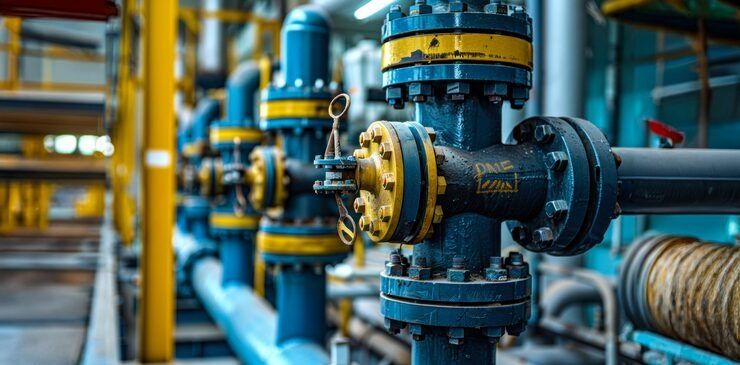
Today, Industrial Valves are found in nearly every sector that depends on fluid or gas movement. Whether managing water distribution, chemical processing, oil transportation, or energy generation, valves help maintain safe and controlled operations.
Understanding How Industrial Valves Work
A valve functions by opening, closing, or partially obstructing a passageway through which fluids or gases move. Depending on operational requirements, valves can be manually operated, mechanically controlled, electrically actuated, or automated through digital systems.
The primary functions of Industrial Valves include:
- Starting flow
- Stopping flow
- Regulating flow rates
- Controlling pressure
- Preventing reverse flow
- Managing system safety
Common Types of Industrial Valves
Several valve designs are used across industries:
| Valve Type | Primary Function |
|---|---|
| Gate Valve | On-off flow control |
| Globe Valve | Flow regulation |
| Ball Valve | Quick shutoff and control |
| Butterfly Valve | Flow isolation and regulation |
| Check Valve | Preventing backflow |
| Plug Valve | Flow control and isolation |
| Safety Valve | Pressure protection |
Each design serves specific operational needs depending on the application.
Importance
Supporting Industrial Operations
Industrial facilities rely on controlled movement of fluids and gases. Valves help ensure that production systems operate safely and efficiently by regulating the flow of materials throughout the process.
Without proper valve systems, maintaining pressure balance and operational stability would be significantly more difficult.
Enhancing Safety
Many industrial environments handle substances under high pressure or temperature conditions. Industrial Valves play an important role in protecting equipment and personnel by controlling flow conditions and preventing unsafe pressure buildup.
Safety valves and pressure relief devices are particularly important in systems where pressure fluctuations can occur.
Improving Process Efficiency
Efficient flow control contributes to smoother operations across industries. Properly selected valves help maintain consistent production conditions while reducing disruptions caused by uncontrolled flow variations.
Industries often depend on accurate flow management to achieve desired process outcomes.
Supporting Environmental Protection
Industrial facilities must manage emissions, wastewater, and resource usage responsibly. Valve systems help control fluid handling processes that support environmental compliance and efficient resource management.
Leak prevention and accurate flow regulation are important aspects of environmental protection strategies.
Serving Multiple Industries
Industrial Valves are used in a wide range of sectors, including:
- Oil and gas operations
- Chemical processing
- Water treatment facilities
- Food manufacturing
- Pharmaceutical production
- Power generation
- Mining operations
- Marine transportation
Their broad application demonstrates their importance within modern infrastructure.
Recent Updates
Growth of Smart Valve Technology
Between 2024 and 2026, smart valve systems have become increasingly common in industrial environments. These systems incorporate sensors and digital monitoring tools that provide real-time operational data.
Operators can monitor valve status, pressure conditions, and flow rates remotely through connected platforms.
Expansion of Automation
Industrial automation continues to influence valve technology. Automated valve systems help improve process consistency while reducing the need for manual intervention in complex operations.
Automation is especially valuable in large-scale facilities where thousands of valves may operate simultaneously.
Focus on Energy Efficiency
Manufacturers are developing valve designs that help reduce energy losses associated with fluid movement. Improved sealing technologies and optimized flow paths contribute to more efficient system performance.
Energy efficiency remains an important objective across many industrial sectors.
Increased Use in Hydrogen Infrastructure
Hydrogen-related projects have expanded globally. Industrial Valves designed for hydrogen applications are receiving greater attention due to the unique handling requirements associated with hydrogen transportation and storage.
Specialized materials and sealing technologies are often required for these applications.
Digital Maintenance Strategies
Predictive maintenance programs have become more common. Facilities increasingly use monitoring technologies to identify wear, performance changes, and maintenance requirements before equipment failures occur.
This approach helps improve reliability and operational planning.
Laws or Policies
Industrial Safety Regulations
Industrial valve systems are generally subject to engineering and safety standards established by regulatory agencies and industry organizations.
These standards help ensure:
- Equipment reliability
- Safe operating conditions
- Proper installation procedures
- Maintenance requirements
- Pressure management controls
Pressure Equipment Standards
Many countries enforce regulations governing pressure-containing equipment. Industrial Valves used in high-pressure systems must often comply with established engineering specifications and testing procedures.
Compliance helps reduce operational risks and supports system integrity.
Environmental Regulations
Environmental laws may influence valve selection and operation, particularly in industries handling hazardous materials or emissions-sensitive processes.
Regulatory objectives often focus on:
- Leak prevention
- Emission reduction
- Resource conservation
- Environmental protection
Industry-Specific Requirements
Different sectors follow specialized standards depending on operational needs.
| Industry | Regulatory Focus |
|---|---|
| Oil and Gas | Pipeline integrity and safety |
| Water Treatment | Water quality management |
| Power Generation | Pressure system protection |
| Chemical Processing | Hazard containment |
| Food Production | Sanitary equipment requirements |
Facilities typically follow both general industrial standards and industry-specific guidelines.
Tools and Resources
Valve Sizing Calculators
Valve sizing calculators help engineers determine appropriate valve dimensions based on:
- Flow rates
- Pressure levels
- Fluid characteristics
- Operating conditions
Proper sizing contributes to efficient system performance.
Computer-Aided Design Software
Engineering software allows designers to model valve systems and evaluate how components interact within larger industrial processes.
These tools support planning and optimization efforts.
Industrial Standards Organizations
Several organizations publish technical guidance, engineering standards, and safety recommendations related to Industrial Valves and flow control systems.
These resources help engineers maintain consistency and compliance.
Condition Monitoring Platforms
Modern monitoring platforms collect operational data from valves and connected equipment. These systems help identify performance trends and maintenance needs.
Technical Documentation
Equipment manufacturers typically provide:
- Installation manuals
- Maintenance procedures
- Performance specifications
- Troubleshooting guides
- Operating instructions
These documents support safe and efficient equipment management.
FAQs
What are Industrial Valves used for?
Industrial Valves are used to regulate, direct, start, stop, or control the flow of liquids, gases, steam, and other materials within industrial systems.
Which industries use Industrial Valves?
Industrial Valves are commonly used in oil and gas operations, manufacturing facilities, water treatment plants, power generation stations, chemical processing facilities, and transportation infrastructure.
How do Industrial Valves improve safety?
Valves help manage pressure, control flow rates, prevent reverse flow, and isolate sections of a system during maintenance or emergency situations.
What is the difference between a gate valve and a globe valve?
A gate valve is primarily used for opening or closing flow, while a globe valve is designed for regulating and adjusting flow rates more precisely.
Why are smart Industrial Valves becoming more common?
Smart Industrial Valves provide real-time monitoring, remote operation capabilities, and performance data that help improve maintenance planning and operational efficiency.
Conclusion
Industrial Valves play a critical role in controlling the movement of liquids and gases throughout industrial systems. They support operational safety, process efficiency, environmental management, and infrastructure reliability across many industries. Advances in automation, digital monitoring, and smart valve technologies continue to improve performance and maintenance capabilities. Understanding valve types, applications, regulations, and modern developments helps provide a clearer picture of their importance in industrial operations.

Related Post...

Security Commercial Door Beginner Guide to Choosing Reliable Building Security Features
Updated: October 15, 2026
Read More
Discover How Overmolding Companies Enhance Product Design and Performance
Updated: September 24, 2026
Read More
Shipping Companies in the USA: Explore Reliable Logistics Solutions
Updated: October 20, 2026
Read More