Discover How Wastewater Recycling Plants Transform Used Water into Reusable Resources
Freshwater resources are becoming increasingly valuable as populations grow, industries expand, and climate patterns change. Wastewater Recycling Plants play a crucial role in water conservation by treating used water and transforming it into reusable water for appropriate applications.
These facilities help reduce pressure on natural water sources while supporting sustainable water management for communities, industries, and agriculture.
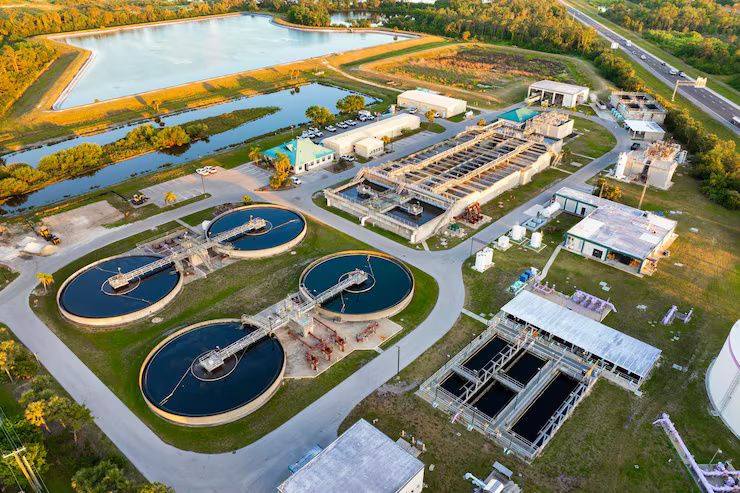
Modern wastewater recycling plants combine physical, biological, and advanced treatment technologies with digital monitoring systems to improve treatment efficiency and water quality. Understanding how these facilities operate helps explain their importance in environmental protection and responsible resource management.
This guide explores how wastewater recycling plants work, the stages of water treatment, common applications for recycled water, and emerging technologies shaping the future of water reuse.
Note: Water quality standards, treatment processes, reuse applications, and environmental regulations vary by country, region, and intended use. This article is intended for general educational purposes only.
What Are Wastewater Recycling Plants?
Wastewater Recycling Plants are specialized facilities that collect, treat, and process used water from residential, commercial, and industrial sources. Through multiple treatment stages, contaminants are removed to produce recycled water that may be suitable for approved non-potable or potable applications, depending on local regulations and treatment standards.
Wastewater sources commonly include:
Residential wastewater
Commercial wastewater
Industrial process water
Municipal sewage
Stormwater in some systems
Agricultural runoff where applicable
Each facility is designed according to the type of wastewater being treated and the intended reuse purpose.
Why Wastewater Recycling Plants Matter
Water recycling supports long-term sustainability and resource conservation.
Key benefits include:
Conserving freshwater resources
Supporting sustainable water management
Reducing wastewater discharge
Protecting rivers, lakes, and coastal environments
Supplying recycled water for approved applications
Supporting industrial water efficiency
Enhancing drought resilience
Encouraging responsible environmental practices
These benefits contribute to improved water security for growing populations.
How Wastewater Recycling Plants Work
Water recycling involves several carefully controlled treatment stages.
Preliminary Treatment
Large debris, grit, and other solid materials are removed to protect downstream equipment.
Primary Treatment
Sedimentation allows heavier particles to settle while lighter materials are separated from the water.
Secondary Treatment
Biological processes use naturally occurring microorganisms to break down dissolved organic matter.
Tertiary Treatment
Advanced filtration and additional treatment improve water quality by removing fine particles and remaining contaminants.
Disinfection
Methods such as ultraviolet (UV) light, ozone, or chlorination help reduce microorganisms before water is released or reused according to regulatory requirements.
Common Uses of Recycled Water
Depending on treatment standards and local regulations, recycled water may be used for:
Landscape irrigation
Agricultural irrigation
Industrial cooling
Manufacturing processes
Construction activities
Public parks
Environmental restoration projects
Groundwater recharge in approved systems
Reuse applications vary according to water quality requirements and applicable regulations.
Key Technologies Used
Modern wastewater recycling plants rely on a range of treatment technologies.
Common technologies include:
Membrane Filtration
Removes very small particles and improves water quality.
Biological Treatment Systems
Use microorganisms to break down organic pollutants.
Ultraviolet Disinfection
Helps reduce microorganisms without introducing additional chemicals.
Reverse Osmosis
Provides advanced purification for applications requiring very high water quality.
Automated Monitoring Systems
Continuously monitor water quality, equipment performance, and operational efficiency.
Wastewater Recycling Plant Overview
| Treatment Stage | Primary Purpose |
|---|---|
| Preliminary Treatment | Remove large debris and grit |
| Primary Treatment | Separate suspended solids |
| Secondary Treatment | Break down organic matter |
| Tertiary Treatment | Improve water quality through advanced filtration |
| Disinfection | Reduce microorganisms before reuse or discharge |
| Monitoring Systems | Track water quality and plant performance |
Environmental Benefits
Wastewater recycling contributes to environmental protection in several ways.
These include:
Reduced freshwater extraction
Lower pollution entering natural waterways
Improved ecosystem protection
More efficient industrial water use
Enhanced drought preparedness
Support for sustainable urban development
Conservation of natural water resources
Reduced environmental impact from wastewater discharge
These outcomes support long-term environmental sustainability.
Current Industry Trends
Water treatment technology continues to advance rapidly.
Recent developments include:
Artificial intelligence-assisted process optimization
Smart water quality monitoring
Internet of Things (IoT) sensor networks
Energy-efficient treatment systems
Advanced membrane technologies
Predictive equipment maintenance
Digital twin technology for plant operations
Renewable energy integration within treatment facilities
These innovations improve operational efficiency, reliability, and environmental performance.
Looking Ahead
The future of Wastewater Recycling Plants is expected to include greater automation, advanced treatment technologies, improved energy efficiency, and wider adoption of intelligent monitoring systems. As water conservation becomes increasingly important worldwide, recycled water is likely to play a growing role in supporting sustainable communities, industries, and agriculture.
Why Understanding Wastewater Recycling Plants Matters
Understanding Wastewater Recycling Plants helps individuals, businesses, and policymakers recognize the importance of water reuse, environmental protection, and sustainable resource management. Awareness of treatment processes and responsible water recycling supports informed decisions about long-term water conservation strategies.
Conclusion
Wastewater Recycling Plants are essential infrastructure for transforming used water into valuable reusable resources. Through multiple treatment stages, advanced technologies, and continuous monitoring, these facilities help conserve freshwater, protect ecosystems, and support sustainable development. As innovation continues to improve water treatment methods, wastewater recycling will remain an important part of meeting future water demands while promoting responsible environmental stewardship.

Related Post...
Complete Guide to Industrial Equipment and Its Uses in Industry
Updated: September 08, 2026
Read More
Kia SUV Range Explained: Models, Capabilities, and Driving Experience
Updated: September 12, 2026
Read More
Security Commercial Door Beginner Guide to Choosing Reliable Building Security Features
Updated: September 08, 2026
Read More