Discover How Stainless Steel Pipes Support Durable and Reliable Industrial Applications
Stainless Steel Pipes are hollow metal tubes made primarily from iron, chromium, and other alloying elements that improve corrosion resistance and durability. These pipes are widely used in industrial systems because they can handle pressure, temperature variation, moisture exposure, and chemical contact more effectively than many conventional metal pipes.
The development of stainless steel materials began during the early twentieth century when manufacturers searched for stronger and more corrosion-resistant metals for industrial use. As industries expanded, the need for reliable piping systems increased in sectors such as construction, water distribution, energy production, chemical processing, and transportation.
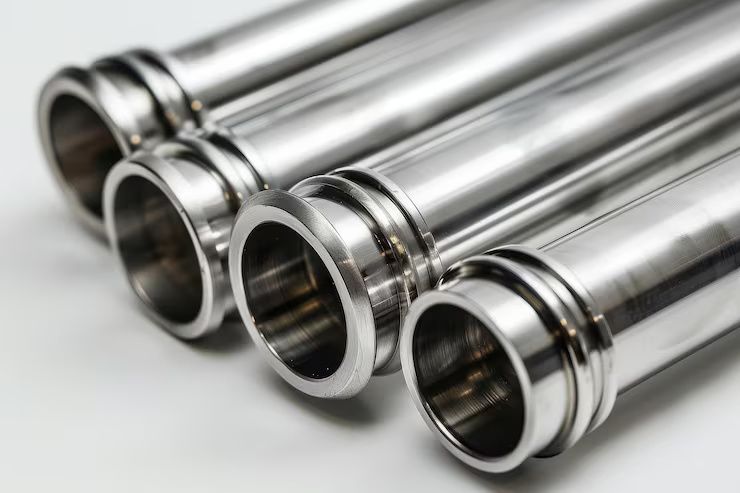
Stainless Steel Pipes are available in multiple grades, thickness levels, and structural designs. Different pipe types are designed for different operational environments, including high-pressure industrial systems, sanitary applications, and structural frameworks.
Common industries using Stainless Steel Pipes include:
- Oil and gas industries
- Food processing facilities
- Water treatment systems
- Pharmaceutical manufacturing
- Construction and infrastructure projects
- Chemical processing plants
The following table explains common stainless steel pipe categories:
| Pipe Type | Typical Usage |
|---|---|
| Seamless Pipes | High-pressure industrial systems |
| Welded Pipes | Structural and fluid transport systems |
| Sanitary Pipes | Food and pharmaceutical industries |
| Heat Resistant Pipes | High-temperature environments |
| Duplex Stainless Pipes | Corrosion-heavy industrial conditions |
Stainless Steel Pipes exist because many industrial environments require materials that remain stable under moisture exposure, heat, chemicals, and continuous operational pressure.
Importance
Stainless Steel Pipes are important because they support safe and reliable fluid transportation across many industrial sectors. Pipes are essential components in systems that transport water, gas, chemicals, steam, and other materials through industrial facilities.
One major reason for their widespread use is corrosion resistance. Stainless steel contains chromium, which forms a protective oxide layer on the metal surface. This layer helps reduce rust formation and extends pipe durability in harsh environments.
Several operational advantages make Stainless Steel Pipes important in industrial applications:
- Resistance to corrosion and oxidation
- Strength under high pressure
- Stability at elevated temperatures
- Long operational lifespan
- Compatibility with hygienic environments
The following table highlights key industrial benefits:
| Feature | Industrial Benefit |
|---|---|
| Corrosion Resistance | Reduces surface damage |
| High Strength | Handles pressure effectively |
| Heat Stability | Supports thermal systems |
| Smooth Internal Surface | Improves fluid movement |
| Hygienic Properties | Supports sanitary operations |
Stainless Steel Pipes are also important in water infrastructure systems because they help maintain cleaner transport conditions. In food and pharmaceutical environments, hygienic pipe surfaces support sanitation requirements and reduce contamination risks.
Modern infrastructure projects rely on durable piping systems to reduce maintenance interruptions and operational inefficiencies. Stainless steel materials help improve reliability in environments exposed to moisture, chemicals, or temperature variation.
Another important factor is environmental durability. Many industrial facilities operate continuously for long periods, making long-lasting pipe materials important for operational stability and safety.
Recent Updates
Recent developments involving Stainless Steel Pipes focus on sustainability, automation in manufacturing, improved alloy technology, smart monitoring systems, and energy-efficient production methods.
Manufacturers are increasingly developing advanced stainless steel alloys with improved corrosion resistance and enhanced structural performance. These materials are designed for challenging industrial conditions such as offshore energy systems and chemical processing environments.
Automation technology is also becoming more common in pipe manufacturing facilities. Robotic welding systems, laser measurement tools, and digital inspection technologies help improve manufacturing precision.
Important trends in Stainless Steel Pipes include:
- Advanced corrosion-resistant alloys
- Automated manufacturing systems
- Smart monitoring technologies
- Recyclable industrial materials
- Energy-efficient production methods
The following table explains current industry trends:
| Industry Trend | Purpose |
|---|---|
| Automated Welding Systems | Improves manufacturing accuracy |
| Smart Pipe Monitoring | Tracks operational conditions |
| Advanced Alloys | Enhances durability |
| Sustainable Production | Reduces environmental impact |
| Digital Inspection Tools | Supports quality control |
Environmental sustainability is also shaping industrial metal production. Stainless steel is widely recyclable, and many manufacturing facilities are working to reduce energy consumption and emissions during production.
Digital monitoring systems are another important development. Some industrial facilities now use sensors attached to piping systems to monitor temperature, pressure, and corrosion levels in real time.
Industries related to renewable energy, hydrogen transportation, and advanced manufacturing are also increasing demand for specialized stainless steel piping systems.
Laws or Policies
Stainless Steel Pipes are influenced by industrial safety standards, environmental regulations, construction codes, and manufacturing quality requirements.
Governments and industry organizations establish technical standards to ensure piping systems operate safely in industrial environments. These standards help regulate material composition, pressure tolerance, welding quality, and inspection procedures.
Common regulatory areas affecting Stainless Steel Pipes include:
- Industrial safety standards
- Environmental protection rules
- Construction and infrastructure codes
- Pressure equipment regulations
- Quality inspection requirements
The following table explains major policy categories:
| Regulation Area | Main Purpose |
|---|---|
| Material Standards | Defines pipe composition |
| Pressure Safety Rules | Controls operational safety |
| Environmental Policies | Reduces industrial pollution |
| Construction Codes | Guides infrastructure usage |
| Inspection Standards | Verifies manufacturing quality |
International organizations such as ASTM, ISO, and ASME publish technical standards used by manufacturers and engineering firms worldwide. These standards help maintain consistency across industrial piping systems.
Industries such as food processing, pharmaceuticals, and energy production may follow additional hygiene and operational safety regulations because of the sensitive nature of transported materials.
Environmental policies also encourage recycling practices and energy-efficient manufacturing within the stainless steel industry.
Tools and Resources
Various tools and resources support the design, inspection, installation, and maintenance of Stainless Steel Pipes in industrial environments.
Engineering software is commonly used to calculate pressure tolerance, flow rates, and structural requirements for piping systems. Inspection equipment also plays an important role in identifying defects or corrosion during maintenance procedures.
Useful resources related to Stainless Steel Pipes include:
- Pipe sizing calculators
- Pressure analysis software
- Corrosion monitoring systems
- Welding inspection equipment
- Industrial design standards
- Maintenance tracking platforms
The following table explains common industrial tools:
| Tool or Resource | Main Function |
|---|---|
| Pipe Calculators | Determines flow capacity |
| Inspection Cameras | Examines internal pipe surfaces |
| Pressure Testing Equipment | Verifies operational safety |
| Welding Analysis Tools | Evaluates connection quality |
| Corrosion Sensors | Monitors pipe condition |
Digital documentation systems are also widely used to maintain inspection records, maintenance schedules, and operational data for industrial facilities.
Training platforms and engineering manuals help technicians understand installation methods, material properties, and safety procedures related to piping systems.
Industrial simulation software is increasingly used to model fluid movement, temperature changes, and pressure behavior before system installation begins.
FAQs
What are Stainless Steel Pipes used for?
Stainless Steel Pipes are used in industries such as construction, food processing, energy production, water systems, and chemical manufacturing for fluid and gas transportation.
Why are Stainless Steel Pipes resistant to corrosion?
Stainless steel contains chromium, which forms a protective layer on the surface that helps reduce rust and corrosion under many environmental conditions.
Are Stainless Steel Pipes suitable for high-temperature environments?
Yes. Many stainless steel pipe grades are designed to handle elevated temperatures and pressure conditions in industrial systems.
How are Stainless Steel Pipes inspected in industrial facilities?
Industrial facilities often use pressure testing equipment, inspection cameras, ultrasonic testing tools, and corrosion monitoring systems to evaluate pipe conditions.
What industries commonly use Stainless Steel Pipes?
Industries such as oil and gas, pharmaceuticals, food production, chemical processing, water treatment, and infrastructure development commonly use Stainless Steel Pipes.
Conclusion
Stainless Steel Pipes play an important role in industrial infrastructure by supporting reliable fluid transport, corrosion resistance, and long-term operational stability. These pipes are widely used in sectors ranging from water treatment and construction to energy production and food processing. Recent developments in advanced alloys, automation, digital monitoring, and sustainable manufacturing continue shaping the stainless steel pipe industry. Understanding Stainless Steel Pipes helps explain how modern industries maintain safe, durable, and efficient operational systems.

Related Post...
Industrial Machinery Manufacturing Essential Insights for Modern Production Systems
Updated: September 17, 2026
Read More
Hapag-Lloyd Container Shipping Complete Guide to International Cargo Transportation
Updated: September 16, 2026
Read More
Kia SUV Range Explained: Models, Capabilities, and Driving Experience
Updated: September 12, 2026
Read More