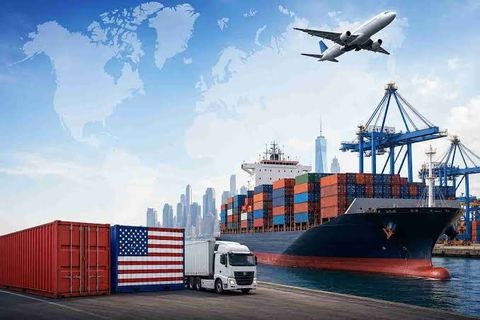
Discover How International Cargo Transportation Supports Global Trade
International trade connects businesses, manufacturers, farmers, and consumers across countries. Products such as food, clothing, electronics, machinery, medicines, and industrial materials often travel long distances before reaching their final destinations.
Moving these goods safely and efficiently requires careful coordination between transportation networks, customs authorities, warehouses, and logistics teams.
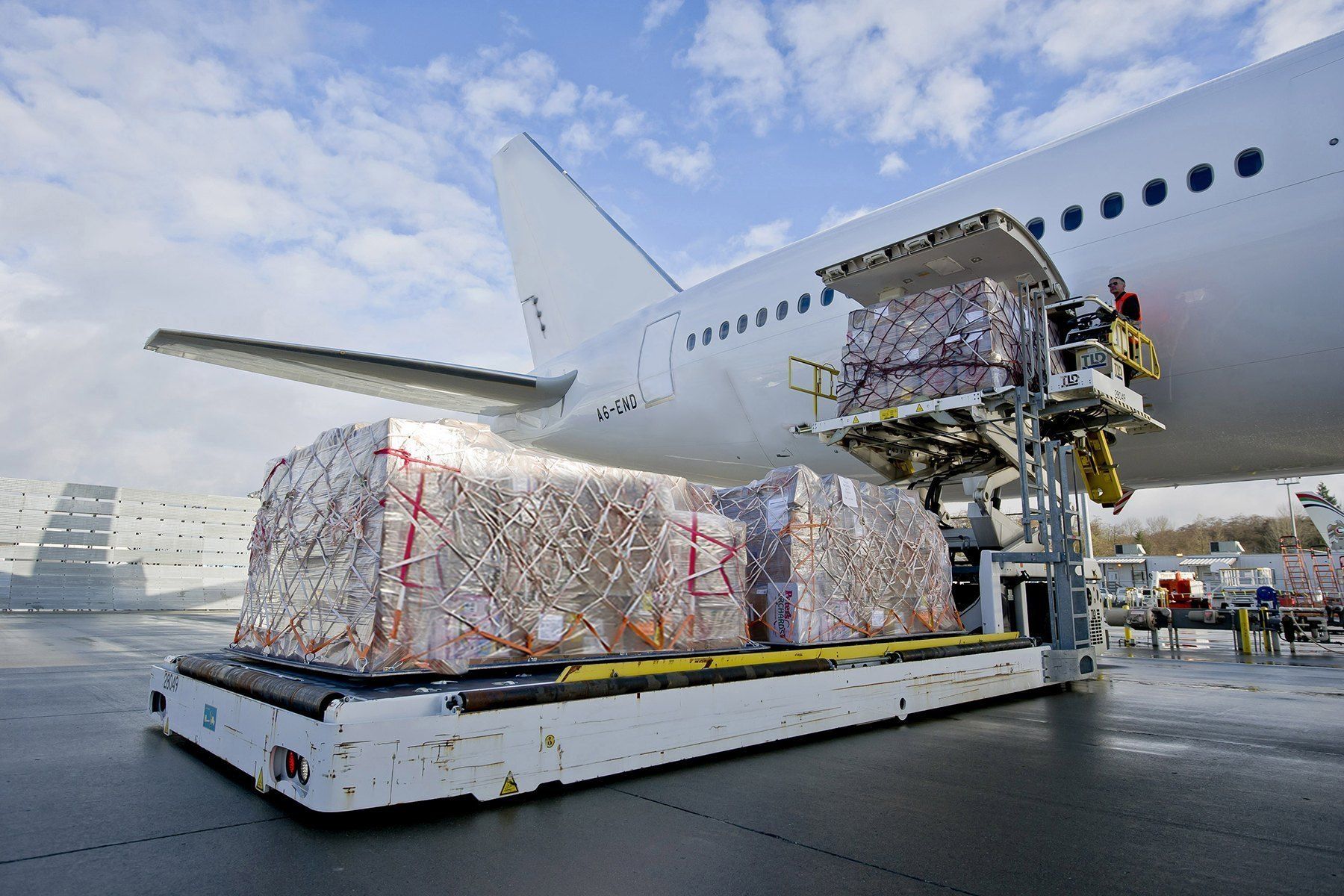
International Cargo Transportation is the process of moving goods between countries through shipping, air freight, road transport, rail networks, or a combination of these methods. It helps businesses access materials from different regions and distribute finished products to international markets.
Each shipment involves several decisions, including selecting a transport method, preparing documentation, meeting customs requirements, arranging cargo protection, and tracking delivery progress. The appropriate approach depends on the type of goods, destination, delivery schedule, and handling requirements.
Understanding how international cargo transportation works helps explain the systems that support global trade and the challenges involved in moving products across borders.
What Is International Cargo Transportation?
International Cargo Transportation refers to the movement of commercial or personal goods from one country to another. It forms an important part of international logistics, which also includes storage, inventory management, packaging, customs procedures, and delivery coordination.
Cargo may include raw materials, agricultural products, manufactured equipment, consumer electronics, textiles, chemicals, and temperature-sensitive goods. Each category has different handling requirements. For example, fresh produce may need refrigeration, while industrial machinery may require specialized lifting equipment and protective packaging.
The transportation process usually begins when a shipment is prepared at its origin. The cargo is collected, documented, and moved to a port, airport, rail terminal, or border crossing. After the relevant customs procedures are completed, it travels toward the destination country.
Once the shipment arrives, it may undergo inspection, customs clearance, and temporary storage before being transported to the final recipient.
Because several organizations may participate in one shipment, accurate information and coordination are essential throughout the journey.
Main Modes of International Cargo Transportation
Different transportation methods serve different purposes. Businesses select them according to shipment size, urgency, distance, cargo characteristics, and available infrastructure.
1. Sea Freight
Sea freight is widely used for transporting large volumes of goods between countries. Cargo ships carry containers, vehicles, bulk materials, machinery, and many other products across international shipping routes.
Container shipping allows goods to be packed into standardized units that can move between ships, trucks, and trains. This reduces repeated handling and supports organized cargo movement.
Sea transportation is particularly suitable for large shipments that do not require immediate delivery. However, journey times can be affected by port congestion, weather conditions, vessel schedules, and changes to shipping routes.
Some goods, including grains, minerals, and certain petroleum products, may travel in specialized bulk carriers or tankers rather than standard containers.
2. Air Freight
Air freight transports cargo by aircraft. It is often used for urgent shipments, valuable electronics, medical materials, spare parts, and products that require shorter transit times.
Air transportation can reduce the time goods spend traveling between distant countries. However, cargo dimensions, weight restrictions, airport handling procedures, and aviation regulations influence which products can be transported.
Certain dangerous goods require special packaging, documentation, and handling. Perishable products may also need temperature-controlled arrangements throughout the journey.
Air freight is therefore generally selected when delivery speed or particular handling requirements justify its use.
3. Road Transportation
Road transport connects factories, warehouses, ports, airports, and inland distribution centers. International road freight is particularly important for trade between neighboring countries and regions with connected highway networks.
Trucks can transport full containers, smaller consignments, refrigerated products, and industrial equipment. Their flexibility helps move goods between locations that may not have direct access to a port or rail terminal.
Cross-border road shipments must account for customs procedures, driver documentation, vehicle regulations, and restrictions that vary by country. Border congestion and road conditions may also affect delivery schedules.
4. Rail Freight
Rail freight moves goods over railway networks and is used for products such as industrial materials, containers, agricultural commodities, and manufactured equipment.
International rail corridors can connect inland production centers with ports and overseas markets. Rail may also provide an alternative to long-distance road transport on suitable routes.
Its practicality depends on railway connections, terminal capacity, border procedures, track compatibility, and the availability of freight services along the route.
5. Multimodal Transportation
Multimodal transportation combines two or more transport methods within a shipment journey. For example, cargo may travel by truck from a factory to a railway terminal, continue by rail, and then move by ship to another country.
This approach can connect inland locations with international trade routes and provide flexibility when a single transport method cannot cover the entire journey.
Successful coordination requires compatible schedules, appropriate cargo handling, clear documentation, and reliable communication between the organizations involved.
How International Cargo Transportation Works
Although procedures vary by shipment and country, international cargo transportation generally follows several stages.
Shipment Preparation
The exporter or shipper prepares the goods for transportation. This includes selecting suitable packaging, checking cargo dimensions and weight, identifying special handling requirements, and confirming the destination details.
Packaging should protect the contents against movement, moisture, temperature changes, and other risks relevant to the journey. Some shipments may require pallets, reinforced crates, sealed containers, or temperature-controlled packaging.
Documentation and Booking
International shipments commonly require documents such as a commercial invoice, packing list, transport document, and relevant customs declarations. Depending on the product and destination, certificates of origin, permits, inspection documents, or health certificates may also be necessary.
The shipper or logistics coordinator arranges transportation and confirms the shipment details. Incorrect descriptions, inconsistent quantities, or missing paperwork can delay processing.
Customs Clearance
Customs authorities examine information about goods entering or leaving a country. They may assess applicable duties and taxes, verify product classifications, inspect shipments, and enforce import or export restrictions.
Requirements vary according to the destination, cargo type, trade agreements, and applicable regulations. Some products need additional approval before they can cross a border.
Accurate documentation and correct product classification help reduce avoidable delays. Customs clearance should be planned as part of the overall shipment schedule rather than treated as a final administrative step.
Transit, Tracking, and Final Delivery
After clearance at origin, the cargo moves through the selected transportation network. Tracking systems may record events such as departure, arrival at a terminal, customs processing, and transfer between transport methods.
When the shipment reaches its destination country, it may require further customs procedures before delivery. The cargo is then transported to a warehouse, factory, distribution center, or recipient's address.
The shipment is considered complete when the goods reach the agreed destination and any required delivery records are confirmed.
The Role of Technology in International Cargo Transportation
Digital technology helps organizations coordinate shipments across complex supply chains.
Shipment tracking systems provide updates about cargo location and transportation milestones. Depending on the network, tracking information may come from carrier records, scanning equipment, or connected devices.
Digital documentation allows authorized parties to prepare, exchange, and review shipment records electronically. This can reduce manual data entry and make information easier to access.
Artificial intelligence and data analysis can help estimate arrival times, identify patterns in delays, and support route planning. These predictions depend on accurate data and can change when unexpected disruptions occur.
Internet-connected sensors can monitor conditions such as temperature, humidity, or vibration. This is useful for sensitive cargo that needs specific environmental conditions during transit.
Technology improves visibility, but it does not eliminate physical delays, customs inspections, equipment failures, or weather disruptions. Human coordination remains important when shipment plans need to change.
Challenges in International Cargo Transportation
Cross-border cargo movement involves several practical challenges.
Weather events, port congestion, labor disruptions, and geopolitical developments can interrupt established routes. Changes to shipping schedules may affect warehouse planning and the arrival of materials needed for production.
Regulatory differences also create complexity. Countries may use different documentation requirements, product standards, import restrictions, and customs procedures. Businesses need to understand the rules that apply to their particular shipments.
Cargo damage, theft, temperature changes, and improper handling can create further difficulties. Appropriate packaging, cargo insurance, secure handling procedures, and accurate records help manage these risks.
Unexpected delays may also increase storage requirements or disrupt production schedules. Maintaining communication with transport partners and allowing reasonable time for border procedures can improve planning.
How Businesses Can Plan International Shipments
Effective planning starts with understanding the cargo. Businesses should identify its dimensions, weight, value, packaging needs, handling conditions, and any legal restrictions.
Next, they should compare available transport methods based on transit time, route reliability, shipment size, and total financial requirements. The lowest quoted transport amount may not reflect other expenses, such as customs duties, insurance, storage, handling, or inland delivery.
It is also important to confirm the responsibilities of the exporter, importer, and transportation providers. International commercial terms, commonly known as Incoterms, can clarify responsibilities for transportation arrangements, risk transfer, and certain shipment-related obligations.
Before dispatch, verify the documents, confirm the destination requirements, and establish how tracking updates will be shared. A contingency plan can help teams respond to route changes, customs delays, or missed connections.
Conclusion
International Cargo Transportation supports global trade by connecting production centers, suppliers, distributors, and consumers across national borders. Sea, air, road, rail, and multimodal transportation each serve different needs, depending on cargo characteristics, destination, and delivery requirements.
Successful shipments depend on careful preparation, accurate documentation, customs compliance, suitable packaging, and coordination throughout the journey. Digital tracking and data analysis can improve visibility, while planning and risk management help organizations respond to unexpected disruptions.
Understanding these processes provides a clearer picture of how goods move between countries and why international cargo transportation remains an important part of the global economy.

Related Post...


Kia SUV Range Explained: Models, Capabilities, and Driving Experience
Updated: October 15, 2026
Read More
Discover How International Cargo Transportation Supports Global Trade
Updated: October 20, 2026
Read More