Create Your First AI Agent Complete Guide to Intelligent Automation and Business Growth
Artificial intelligence has become part of everyday life. People interact with AI while searching the internet, using navigation apps, writing emails, organizing schedules, and receiving personalized recommendations.
A newer development in this field is the AI agent. Unlike traditional software that follows only direct instructions, an AI agent can understand goals, process information, make decisions within defined rules, and complete multiple connected tasks. Learning how to Create Your First AI Agent is becoming an important step for anyone interested in intelligent automation.
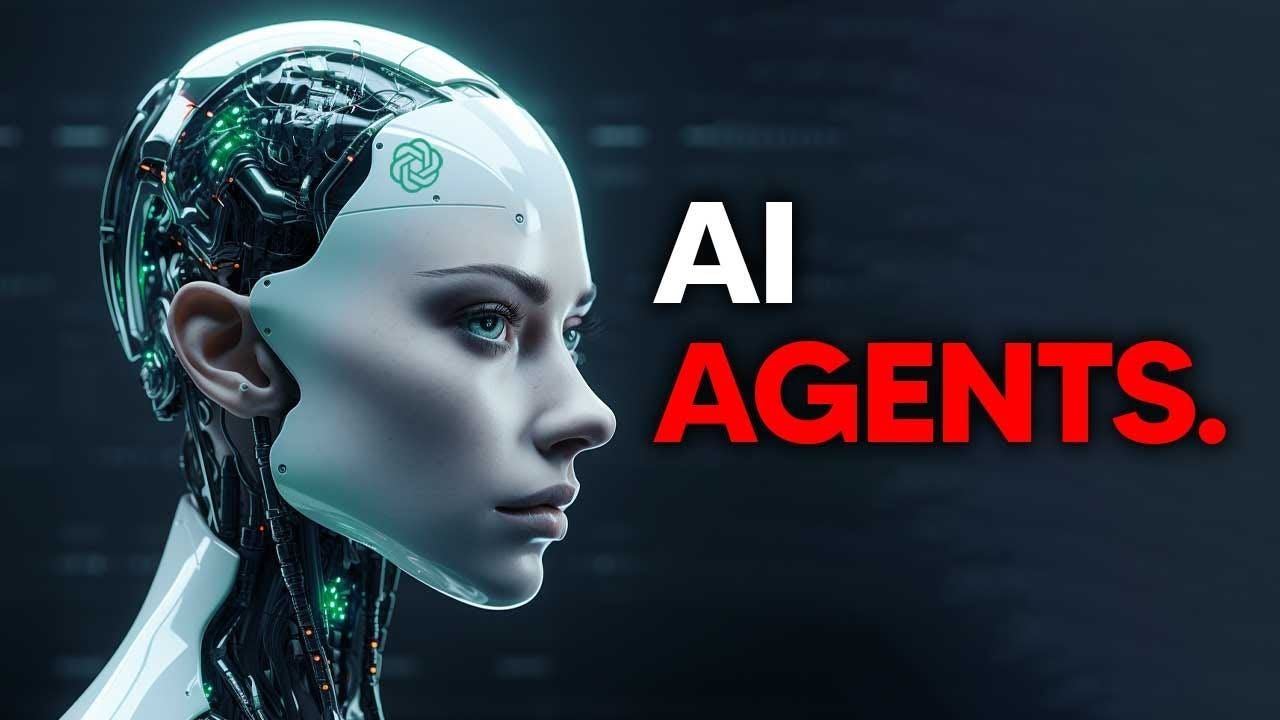
An AI agent does not replace human decision-making. Instead, it supports people by handling repetitive digital activities, organizing information, and assisting with workflows. Individuals, educators, developers, and organizations are exploring AI agents to improve efficiency while maintaining human oversight.
This guide explains what AI agents are, how they work, the basic steps to create one, practical applications, benefits, challenges, and future developments.
What Is an AI Agent?
An AI agent is a software system designed to understand information, make decisions within predefined boundaries, and perform tasks to achieve a specific objective.
Unlike traditional automation, which follows fixed rules, AI agents can evaluate different situations, respond to changing information, and interact with other digital tools.
AI agents are commonly used for:
Information retrieval
Document organization
Workflow automation
Scheduling
Data analysis
Customer communication
Knowledge management
Research assistance
Task coordination
Digital productivity
Each AI agent is created for a particular purpose and operates according to defined instructions.
Why Learn to Create Your First AI Agent?
Artificial intelligence is becoming more common across education, healthcare, manufacturing, finance, retail, and many other industries. Understanding how to Create Your First AI Agent helps people learn how intelligent automation works and how AI can support everyday digital activities.
Learning these concepts helps individuals:
Understand AI workflows
Organize repetitive tasks
Improve digital productivity
Explore automation techniques
Develop problem-solving skills
Learn responsible AI practices
Even simple AI agents demonstrate how modern automation systems operate.
How AI Agents Work
Although the technology behind AI agents is advanced, the overall process is easy to understand.
Understanding a Goal
Every AI agent begins with a clearly defined objective.
For example, an agent may organize documents, summarize information, or manage scheduling activities.
Gathering Information
The AI agent receives information from users, databases, documents, or connected applications.
Decision-Making
Artificial intelligence evaluates available information and selects appropriate actions according to predefined instructions.
Completing Tasks
The agent performs the required activity, such as organizing files, generating summaries, or updating records.
Learning and Improvement
Some AI systems improve performance over time by analyzing previous interactions and identifying useful patterns.
Steps to Create Your First AI Agent
Creating an AI agent usually follows several structured stages.
Define the Purpose
Begin by identifying the specific task the AI agent should perform.
Simple objectives often produce more reliable results.
Select Data Sources
Determine where the agent will obtain information.
Examples include:
Documents
Databases
Cloud storage
Knowledge bases
Business applications
Create Instructions
Provide clear instructions describing how the agent should process information and respond to different situations.
Test the Agent
Evaluate the AI agent using different examples to verify that it behaves as expected.
Monitor Performance
Review results regularly and refine instructions as requirements evolve.
Technologies Behind AI Agents
Several modern technologies work together inside AI agents.
These include:
Artificial intelligence
Machine learning
Natural language processing
Large language models
Workflow automation
Cloud computing
Knowledge retrieval
Together, these technologies allow AI agents to understand language and complete connected digital tasks.
Common Applications
AI agents are being used across many industries.
Education
Students and teachers use AI agents to organize learning materials and summarize educational content.
Healthcare
Healthcare organizations use AI-assisted systems to organize administrative information and support documentation.
Business Operations
Organizations automate repetitive workflows such as scheduling, document processing, and reporting.
Manufacturing
Manufacturers use intelligent automation to monitor production data and organize maintenance activities.
Research
Researchers use AI agents to summarize documents, organize references, and gather information from multiple sources.
Create Your First AI Agent Overview
| Component | Purpose |
|---|---|
| Goal Definition | Establishes the agent's objective |
| Data Sources | Supplies relevant information |
| Instructions | Guides decision-making |
| Artificial Intelligence | Processes language and data |
| Workflow Automation | Performs connected tasks |
| Performance Review | Supports continuous improvement |
Benefits
Many individuals and organizations explore AI agents for practical reasons.
Common advantages include:
Improved workflow organization
Reduced repetitive activities
Better information management
Faster document processing
Improved digital productivity
Consistent task execution
These benefits help simplify everyday digital work.
Responsible AI Practices
AI agents should always operate responsibly.
Important practices include:
Protecting personal information
Reviewing AI-generated output
Maintaining human oversight
Using reliable information sources
Following organizational policies
Respecting privacy regulations
Responsible development helps build trustworthy AI systems.
Common Challenges
Developing AI agents also requires careful planning.
Some practical considerations include:
Defining clear objectives
Maintaining accurate information
Managing connected applications
Preventing incorrect responses
Monitoring performance
Updating instructions over time
Regular evaluation helps improve long-term reliability.
Future Trends
AI agent technology continues advancing rapidly.
Recent developments include:
Multi-agent collaboration
Better reasoning capabilities
Smarter workflow automation
Improved knowledge retrieval
Enhanced language understanding
Stronger integration with business software
More advanced decision support
These innovations continue expanding the capabilities of intelligent automation.
Looking Ahead
As artificial intelligence becomes more integrated into workplaces and everyday digital tools, AI agents are expected to become more capable, adaptable, and collaborative. Future systems may handle increasingly complex workflows while maintaining transparency, privacy, and human supervision.
Understanding these developments helps individuals prepare for the future of intelligent automation.
Why Understanding AI Agents Matters
Artificial intelligence now supports communication, education, healthcare, finance, manufacturing, and many other industries. Learning how to Create Your First AI Agent provides valuable insight into how intelligent systems organize information, automate workflows, and assist with everyday tasks.
Whether used for learning, research, business operations, or productivity, AI agents represent an important step in the ongoing evolution of digital technology.
Conclusion
Learning how to Create Your First AI Agent introduces the foundations of intelligent automation, including goal definition, workflow management, artificial intelligence, and responsible development. AI agents help organize information, simplify repetitive activities, and support digital productivity while keeping human oversight central to decision-making. As AI technology continues evolving, understanding AI agents will remain an important skill for individuals and organizations exploring modern automation.

Related Post...

Explore How Algo Trading Platforms Simplify Market Analysis and Trade Execution
Updated: October 09, 2026
Read More
Explore How Private Browsers in AdsPower Help Manage Multiple Online Accounts
Updated: September 18, 2026
Read More
Explore How Google Ads Improves Online Visibility and Audience Reach
Updated: September 18, 2026
Read More