Construction Management Software Complete Guide to Project Planning and Site Coordination
Construction Management Software refers to digital platforms designed to help construction teams organize, monitor, and coordinate building projects from planning through completion. As construction projects became more complex, involving multiple stakeholders, contractors, schedules, documents, and compliance requirements, traditional paper-based methods often became difficult to manage efficiently.
Modern construction projects may involve architects, engineers, project managers, suppliers, subcontractors, inspectors, and property owners working simultaneously. Construction Management Software was developed to centralize information and improve communication among these participants.
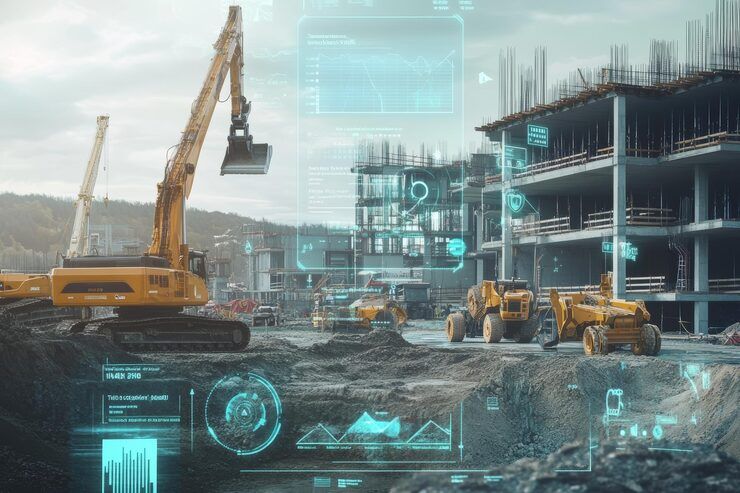
The adoption of digital tools has increased significantly as construction companies seek better visibility into project progress, resource allocation, documentation, scheduling, and site activities. These platforms help organize project information in a structured format, making it easier for teams to track developments and respond to changes.
What Construction Management Software Does
Construction Management Software typically supports several project functions, including:
- Project scheduling
- Document management
- Resource tracking
- Site reporting
- Budget monitoring
- Team collaboration
- Compliance documentation
- Progress tracking
By bringing these functions together, software platforms help create a more organized project environment.
Common Users
Various professionals rely on Construction Management Software:
| User Group | Typical Purpose |
|---|---|
| Project Managers | Schedule and progress tracking |
| Engineers | Technical documentation management |
| Site Supervisors | Daily reporting and coordination |
| Contractors | Resource planning |
| Architects | Design document sharing |
| Owners | Project visibility and reporting |
Importance
Improving Project Organization
Construction projects generate large volumes of information. Drawings, schedules, permits, inspection records, contracts, and site reports must often be updated and shared among multiple teams.
Construction Management Software helps organize these materials within a centralized system, reducing the likelihood of outdated information being used.
Supporting Site Coordination
Construction activities depend on proper coordination between various participants. Delays in communication can affect timelines and project outcomes.
Digital coordination tools help teams:
- Share updates quickly
- Track completed tasks
- Monitor upcoming activities
- Document site conditions
- Identify scheduling conflicts
Enhancing Project Visibility
Project managers often need real-time insight into project performance. Software platforms provide dashboards, reports, and progress tracking tools that help monitor construction activities more effectively.
Improved visibility supports informed decision-making throughout the project lifecycle.
Managing Documentation
Construction projects require extensive documentation. Missing records or outdated files can create challenges during inspections, audits, and project reviews.
Construction Management Software helps maintain organized records for:
- Design drawings
- Safety reports
- Inspection forms
- Change requests
- Progress reports
- Regulatory documents
Supporting Large and Small Projects
While large infrastructure developments often use advanced software systems, smaller projects can also benefit from improved organization and communication.
The flexibility of modern software allows different project sizes to adopt digital project management practices.
Recent Updates
Increased Cloud Adoption
Between 2024 and 2026, cloud-based platforms have become increasingly common within the construction industry. Cloud technology enables project participants to access information from multiple locations using connected devices.
This approach supports collaboration among office staff, field teams, consultants, and stakeholders.
Growth of Mobile Applications
Mobile functionality continues to expand within Construction Management Software. Site personnel increasingly use smartphones and tablets to record observations, submit reports, upload photos, and review project documents directly from construction sites.
This trend improves communication between field and office teams.
Integration of Artificial Intelligence
Artificial intelligence tools are being incorporated into some construction platforms. These tools assist with data analysis, project forecasting, document searches, and workflow automation.
AI-supported features help users process large amounts of project information more efficiently.
Building Information Modeling Integration
Building Information Modeling (BIM) continues to influence digital construction management. Many software platforms now integrate project management functions with three-dimensional building models.
This integration allows teams to visualize project information alongside schedules and construction activities.
Greater Focus on Sustainability Tracking
Environmental reporting and sustainability monitoring have become more important across construction projects. Software platforms increasingly include tools for tracking environmental performance, material usage, and project sustainability objectives.
Laws or Policies
Construction Safety Regulations
Construction activities are governed by workplace safety regulations in many countries. Construction Management Software often helps organizations maintain records related to:
- Safety inspections
- Incident reporting
- Training documentation
- Compliance tracking
- Site audits
Digital recordkeeping supports regulatory compliance efforts.
Building Code Compliance
Construction projects must comply with applicable building codes and technical standards. Software platforms assist by organizing documentation associated with permits, inspections, and design approvals.
Accurate record management can simplify compliance reviews.
Data Protection Requirements
As construction projects increasingly rely on digital platforms, organizations must consider data protection obligations. Software providers and users may need to follow regulations governing:
- Data storage
- Information security
- User access controls
- Privacy protection
Compliance requirements vary depending on jurisdiction.
Environmental Reporting Requirements
Some projects require documentation related to environmental performance, resource management, and sustainability objectives. Construction Management Software can assist in organizing and maintaining these records.
Government Infrastructure Programs
Public infrastructure projects often involve extensive reporting and documentation requirements. Digital project management systems help teams maintain records needed for government oversight and project administration.
Tools and Resources
Scheduling Tools
Scheduling functions help project managers plan activities, allocate resources, and monitor progress.
Common scheduling features include:
- Task sequencing
- Milestone tracking
- Timeline visualization
- Resource allocation
- Progress monitoring
Document Management Systems
Document management capabilities allow users to organize and access project files efficiently.
These systems typically support:
- Version control
- Document sharing
- Approval workflows
- File storage
- Search functionality
Building Information Modeling Platforms
BIM platforms provide digital building representations that can be linked with project schedules, construction activities, and technical information.
These tools improve project visualization and coordination.
Construction Calculators
Various construction calculators support project planning activities, including:
- Material quantity estimation
- Concrete calculations
- Area measurements
- Productivity calculations
- Equipment planning
Collaboration Platforms
Collaboration tools help teams communicate and share project updates throughout the construction process.
These platforms may include:
- Messaging systems
- Task management tools
- Meeting records
- Workflow tracking
- Notification systems
FAQs
What is Construction Management Software?
Construction Management Software is a digital platform used to organize construction projects, manage schedules, track progress, coordinate teams, and maintain project documentation.
Who uses Construction Management Software?
Project managers, engineers, contractors, architects, site supervisors, consultants, and property owners commonly use Construction Management Software to support project coordination.
How does Construction Management Software improve project planning?
The software helps organize schedules, allocate resources, track milestones, manage documents, and monitor project progress through centralized information systems.
Can Construction Management Software be used on construction sites?
Yes. Many modern platforms include mobile applications that allow field personnel to access documents, submit reports, upload photos, and update project information directly from construction sites.
Why is Construction Management Software becoming more popular?
Growing project complexity, increased digital adoption, mobile connectivity, cloud computing, and improved collaboration capabilities have contributed to wider use across the construction industry.
Conclusion
Construction Management Software has become an important tool for organizing construction projects and improving coordination among project participants. These platforms support scheduling, documentation management, communication, compliance tracking, and project monitoring throughout the construction lifecycle. Recent developments in cloud technology, mobile applications, artificial intelligence, and BIM integration continue to expand software capabilities. As construction projects become increasingly data-driven, digital management tools play a significant role in supporting efficient project execution and information management.

Related Post...

Discover How Video Marketing Helps Brands Connect with Modern Audiences
Updated: September 19, 2026
Read More
Explore How Connected TV Ads Improve Audience Reach on Streaming Platforms
Updated: October 16, 2026
Read More
Discover How Innovation and Balance Shape a Sustainable Tech Future
Updated: October 05, 2026
Read More