CNC Machines Explained Complete Guide to Automated Manufacturing and Precision Engineering
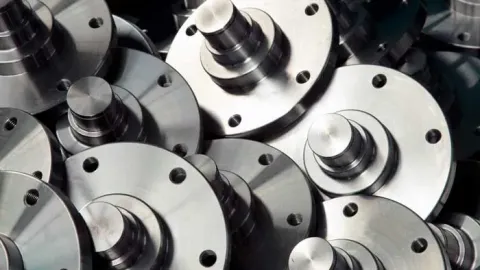
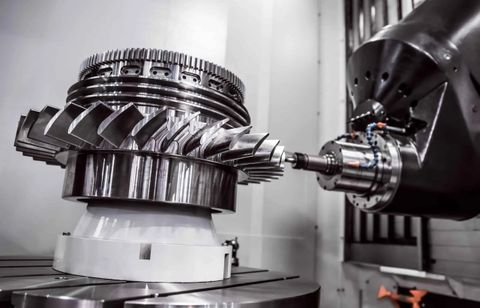
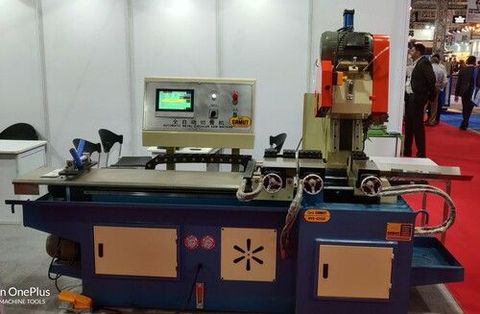
CNC Machines are among the most important technologies used in modern manufacturing. The term CNC stands for Computer Numerical Control, a process in which computers direct machine tools to perform cutting, drilling, milling, turning, engraving, and shaping operations with a high degree of accuracy. These machines are widely used in industries ranging from automotive production and aerospace engineering to electronics manufacturing and medical device development.
Before CNC technology became common, manufacturing processes relied heavily on manual machine operation. Skilled operators controlled cutting tools using hand-operated controls and mechanical systems. While effective, manual machining often required significant time and effort, especially when producing complex parts.
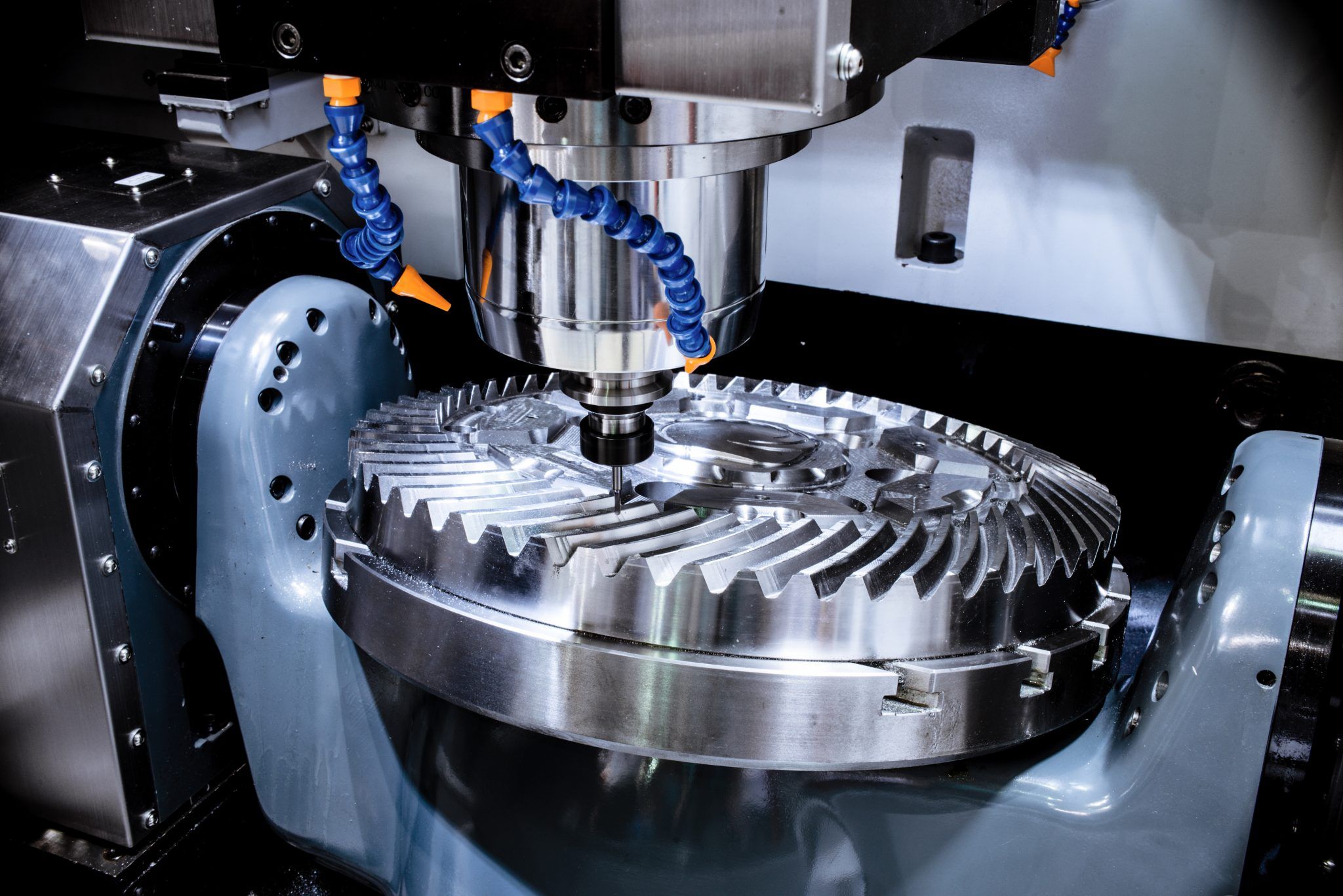
The introduction of computer-controlled machining transformed manufacturing. CNC Machines enabled manufacturers to automate repetitive tasks, improve consistency, and create highly detailed components with greater efficiency. Today, these systems are found in factories, research laboratories, educational institutions, and industrial workshops around the world.
Modern products often contain components that require precise dimensions and consistent quality. CNC Machines help meet these requirements by following programmed instructions that guide machine movement and tool operation.
What CNC Machines Do
CNC Machines convert digital designs into physical products. A computer program provides instructions that tell the machine how to move, where to cut, and how much material to remove.
Common manufacturing operations include:
- Milling
- Turning
- Drilling
- Cutting
- Engraving
- Grinding
These capabilities make CNC technology suitable for a wide variety of applications.
Main Types of CNC Machines
| Machine Type | Primary Function |
|---|---|
| CNC Milling Machine | Removes material using rotating cutters |
| CNC Lathe | Shapes material through rotational movement |
| CNC Router | Cuts and engraves materials |
| CNC Plasma Cutter | Uses plasma for metal cutting |
| CNC Laser Cutter | Uses focused laser beams for cutting |
| CNC Grinding Machine | Finishes surfaces with precision |
Each machine type is designed for specific manufacturing tasks.
Importance
Supporting Modern Manufacturing
Manufacturing industries depend on consistent production processes. CNC Machines help create components that match design specifications repeatedly and accurately.
This consistency is important in sectors where precision affects performance, safety, and reliability.
Improving Production Efficiency
Automated manufacturing systems help reduce the time required for many machining operations. Once a program is prepared and verified, the machine can perform tasks with minimal manual intervention.
Benefits include:
- Reduced setup variations
- Faster production cycles
- Consistent part quality
- Improved workflow management
- Enhanced repeatability
These advantages have contributed to the widespread adoption of CNC technology.
Enabling Complex Designs
Many modern products contain shapes and features that would be difficult to create using traditional manual machining methods.
CNC Machines can produce:
- Intricate geometries
- Curved surfaces
- Detailed engravings
- Precision holes
- Complex mechanical components
This flexibility supports innovation across numerous industries.
Supporting Multiple Industries
CNC technology plays a role in many sectors of the economy.
Industries that commonly use CNC Machines include:
- Aerospace
- Automotive manufacturing
- Medical equipment production
- Electronics manufacturing
- Construction equipment production
- Industrial machinery manufacturing
The broad applicability of CNC systems highlights their importance in modern production environments.
Enhancing Product Quality
Consistency is a major goal in manufacturing. CNC Machines follow programmed instructions with high precision, reducing variations between parts.
This level of control helps manufacturers maintain quality standards throughout production processes.
Understanding CNC Machines
How CNC Machines Operate
The operation of CNC Machines begins with a digital design. Engineers or designers create a computer-aided design (CAD) model that represents the desired product.
The design is then converted into machine instructions using computer-aided manufacturing (CAM) software. These instructions guide machine movements and tool actions during production.
The basic workflow includes:
- Design creation
- Toolpath generation
- Program preparation
- Machine setup
- Manufacturing operation
- Inspection and verification
Each stage contributes to the final product.
CNC Programming Basics
CNC Machines rely on programming languages that define machine movements and operations.
Programs typically specify:
- Tool positions
- Cutting paths
- Speeds and feeds
- Material dimensions
- Machining sequences
These instructions allow the machine to perform tasks automatically.
Materials Processed by CNC Machines
A wide range of materials can be processed using CNC technology.
Common examples include:
- Steel
- Aluminum
- Brass
- Titanium
- Plastics
- Wood
- Composite materials
The choice of material depends on the intended application and manufacturing requirements.
Precision and Accuracy
One of the defining characteristics of CNC Machines is their ability to achieve precise measurements.
Factors influencing precision include:
- Machine calibration
- Tool condition
- Programming accuracy
- Material properties
- Environmental conditions
Proper maintenance and operation help maintain measurement accuracy.
Automation and Repeatability
Repeatability refers to a machine's ability to produce identical components multiple times.
This capability is particularly important for:
- Mass production
- Standardized products
- Replacement parts
- Industrial equipment components
Automation helps reduce inconsistencies and supports reliable manufacturing outcomes.
Recent Updates
Integration of Artificial Intelligence
Between 2024 and 2026, artificial intelligence continued influencing manufacturing technologies. CNC Machines increasingly incorporate AI-driven features that assist with monitoring, optimization, and predictive maintenance.
These systems help identify operational patterns and improve production efficiency.
Growth of Smart Manufacturing
Manufacturing facilities are becoming more connected through digital technologies.
Current developments include:
- Real-time monitoring
- Connected equipment
- Data analytics
- Automated reporting
- Remote management tools
These technologies contribute to smarter production environments.
Advanced Simulation Software
Simulation software allows manufacturers to test machining processes before production begins.
Benefits include:
- Reduced programming errors
- Improved workflow planning
- Enhanced toolpath verification
- Better material utilization
Simulation tools continue evolving alongside CNC technology.
Improved Machine Connectivity
Modern CNC Machines increasingly connect with broader manufacturing systems.
Connectivity features may include:
- Cloud integration
- Production monitoring
- Data sharing
- Machine diagnostics
These capabilities support coordinated manufacturing operations.
Sustainability Initiatives
Manufacturers are focusing on improving environmental performance through more efficient production practices.
Current efforts include:
- Reduced material waste
- Improved energy management
- Enhanced process optimization
- Recycling initiatives
These developments align with broader sustainability goals.
Laws or Policies
Workplace Safety Regulations
CNC Machines operate under workplace safety requirements intended to protect machine operators and surrounding personnel.
These regulations often address:
- Machine guarding
- Emergency stop systems
- Operator training
- Safety procedures
- Equipment inspections
Compliance helps reduce workplace risks.
Occupational Health Standards
Manufacturing environments must comply with occupational health standards related to noise, dust, ventilation, and equipment operation.
Employers are generally responsible for maintaining safe working conditions.
Industrial Equipment Standards
Many countries establish standards governing industrial machinery design and operation.
These standards may address:
- Electrical safety
- Mechanical reliability
- Equipment testing
- Operational performance
Compliance supports safe and reliable machine operation.
Environmental Regulations
Manufacturing activities may be subject to environmental requirements regarding waste management and resource usage.
Relevant areas include:
- Metal recycling
- Coolant disposal
- Energy efficiency
- Emission management
These regulations encourage responsible manufacturing practices.
Data Security Considerations
As CNC Machines become more connected, cybersecurity and data protection have become increasingly important.
Manufacturers often implement measures related to:
- Access controls
- Network security
- Software updates
- Data protection
These safeguards help protect digital manufacturing systems.
Tools and Resources
CAD Software
Computer-aided design software helps engineers create digital models used during CNC manufacturing.
These programs support design visualization and product development.
CAM Software
Computer-aided manufacturing software converts designs into machine instructions.
CAM platforms help generate toolpaths and optimize machining operations.
Simulation Platforms
Simulation tools allow users to evaluate machining processes before actual production begins.
These resources assist with planning and verification.
Technical Training Programs
Educational institutions and industrial training centers provide instruction on CNC programming, machine operation, and manufacturing principles.
These programs help develop technical knowledge.
Industry Standards Organizations
Standards organizations publish technical guidance related to manufacturing, machine safety, and industrial processes.
These resources support consistency and compliance within manufacturing industries.
FAQs
What are CNC Machines?
CNC Machines are computer-controlled manufacturing tools that perform machining operations such as cutting, drilling, milling, and shaping according to programmed instructions.
How do CNC Machines work?
They follow digital instructions generated from computer designs. The machine moves tools and materials automatically to create parts according to specified dimensions.
Why are CNC Machines important in manufacturing?
CNC Machines improve consistency, precision, and efficiency while supporting the production of complex components used in many industries.
Which industries use CNC Machines?
Industries including aerospace, automotive manufacturing, medical equipment production, electronics, and industrial machinery manufacturing commonly use CNC technology.
Can CNC Machines work with different materials?
Yes. CNC Machines can process metals, plastics, wood, composites, and various other materials depending on machine capabilities and tooling requirements.
Conclusion
CNC Machines have transformed manufacturing by combining computer technology with precision engineering. They support the production of complex components across numerous industries while improving consistency and efficiency. Advances in automation, connectivity, artificial intelligence, and simulation software continue expanding their capabilities. As manufacturing evolves, CNC Machines remain an essential part of modern industrial production and engineering development.

Related Post...

X Ray Machinery Guide of Components Applications and Imaging Processes
Updated: September 08, 2026
Read More
Discover How Industrial Vacuum Drying Supports Advanced Industrial Processing
Updated: September 15, 2026
Read More
How to Water Filtration Processing Improves Water Quality and System Performance
Updated: September 11, 2026
Read More