Chronic Kidney Disease Complete Guide to Symptoms Diagnosis and Long Term Care
The kidneys play a vital role in maintaining overall health by filtering waste products, balancing fluids and electrolytes, regulating blood pressure, and supporting red blood cell production. Chronic Kidney Disease (CKD) is a long-term condition in which kidney function gradually declines over time.
Early recognition, regular monitoring, and appropriate medical care can help manage the condition and reduce the risk of complications.
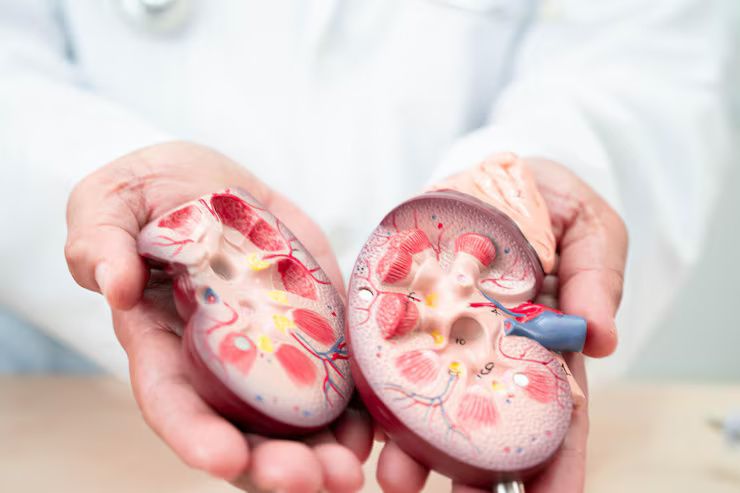
Advances in healthcare, laboratory testing, medical imaging, telehealth, and digital health technologies have improved the diagnosis and ongoing management of chronic kidney disease. Understanding the causes, symptoms, diagnostic methods, treatment approaches, and lifestyle considerations helps individuals make informed decisions in partnership with healthcare professionals.
This guide explains Chronic Kidney Disease, its symptoms, diagnosis, treatment options, long-term care strategies, and recent developments in kidney health.
Medical Disclaimer: This article is intended for general educational purposes only and should not replace professional medical advice, diagnosis, or treatment. Anyone experiencing symptoms or concerns about kidney health should consult a qualified healthcare professional.
What Is Chronic Kidney Disease?
Chronic Kidney Disease is a condition in which the kidneys gradually lose their ability to filter blood effectively over a period of months or years. As kidney function declines, waste products and excess fluids may accumulate in the body, affecting multiple organ systems.
CKD is typically classified into stages based on kidney function and other clinical findings. Early stages may have few or no noticeable symptoms, making routine health screenings important for individuals at increased risk.
Why Early Detection Matters
Identifying CKD in its early stages allows healthcare providers to monitor kidney function and recommend appropriate management strategies.
Potential benefits of early detection include:
Slower progression of kidney damage
Better management of underlying conditions
Reduced risk of complications
Improved blood pressure control
Better monitoring of kidney function
More informed treatment planning
Support for long-term health management
Timely referral to kidney specialists when appropriate
Regular medical evaluations are particularly important for people with known risk factors.
Common Causes and Risk Factors
Several health conditions and factors can contribute to the development of CKD.
Common causes and risk factors include:
Diabetes
High blood pressure
Family history of kidney disease
Cardiovascular disease
Recurrent kidney infections
Certain inherited kidney disorders
Autoimmune diseases affecting the kidneys
Long-term urinary tract obstruction
Increasing age
Smoking and other lifestyle-related risk factors
Not everyone with these risk factors develops CKD, but regular screening may be recommended.
Common Symptoms
Symptoms often develop gradually and may become more noticeable as kidney function declines.
Possible symptoms include:
Persistent fatigue
Swelling in the legs, ankles, or feet
Changes in urination patterns
Difficulty concentrating
Loss of appetite
Nausea
Muscle cramps
Itchy skin
Shortness of breath
High blood pressure
These symptoms may also be associated with other medical conditions, making professional evaluation important.
How Chronic Kidney Disease Is Diagnosed
Healthcare professionals use several methods to assess kidney health.
Medical History and Physical Examination
A healthcare provider reviews symptoms, medical history, medications, and risk factors.
Blood Tests
Blood tests help measure kidney function by evaluating markers such as serum creatinine and estimating the glomerular filtration rate (eGFR).
Urine Tests
Urine testing can identify protein, blood, or other abnormalities that may indicate kidney damage.
Imaging Studies
Ultrasound, CT scans, or MRI examinations may be used to evaluate kidney structure when appropriate.
Kidney Biopsy
In selected situations, a biopsy may help determine the underlying cause of kidney disease.
Treatment and Long-Term Care
Treatment plans depend on the stage of CKD, underlying causes, overall health, and individual medical needs.
Management may include:
Managing Underlying Conditions
Controlling diabetes, high blood pressure, and cardiovascular risk factors is often an important part of care.
Medications
Healthcare professionals may prescribe medications to manage blood pressure, reduce protein in the urine, address anemia, or treat other CKD-related complications.
Nutrition
Dietary recommendations may include guidance on sodium, potassium, phosphorus, protein, and fluid intake based on individual needs.
Regular Monitoring
Routine laboratory tests and follow-up appointments help monitor kidney function and overall health.
Advanced Kidney Care
For advanced stages of CKD, healthcare providers may discuss options such as dialysis or kidney transplantation when medically appropriate.
Lifestyle Considerations
Healthy daily habits can support overall well-being alongside medical treatment.
Helpful practices include:
Follow prescribed medications.
Attend regular medical appointments.
Maintain a balanced diet recommended by healthcare professionals.
Stay physically active when appropriate.
Avoid tobacco products.
Limit alcohol according to medical advice.
Monitor blood pressure regularly.
Stay informed about your treatment plan.
Lifestyle recommendations should always be personalized by a qualified healthcare provider.
Chronic Kidney Disease Overview
| Aspect | Purpose |
|---|---|
| Blood Tests | Assess kidney function |
| Urine Tests | Detect kidney damage |
| Blood Pressure Management | Support kidney health |
| Nutrition Planning | Manage dietary needs |
| Regular Monitoring | Track disease progression |
| Specialist Care | Support long-term treatment planning |
Current Developments in Kidney Care
Research and healthcare innovation continue to improve CKD management.
Recent developments include:
Artificial intelligence-assisted risk assessment
Home monitoring technologies
Telehealth consultations
Improved laboratory testing
Precision medicine research
Wearable health monitoring devices
Digital patient education platforms
Ongoing clinical research into new therapies
These advances aim to support earlier diagnosis and more personalized care.
Looking Ahead
The future of Chronic Kidney Disease care is expected to include greater use of artificial intelligence for risk prediction, expanded telemedicine services, more personalized treatment strategies, and continued research into therapies that may help slow disease progression. Advances in digital health and medical science are expected to improve long-term disease management and patient support.
Why Understanding Chronic Kidney Disease Matters
Understanding Chronic Kidney Disease helps individuals recognize risk factors, identify possible symptoms, and appreciate the importance of early diagnosis and ongoing medical care. Working closely with healthcare professionals and following recommended treatment plans can support better long-term health outcomes.
Conclusion
Chronic Kidney Disease is a long-term condition that requires ongoing medical attention, regular monitoring, and personalized care. Early diagnosis, effective management of underlying health conditions, healthy lifestyle choices, and routine follow-up can help support kidney function and overall well-being. As medical research and healthcare technologies continue to evolve, individuals with CKD have access to increasingly advanced tools for diagnosis, monitoring, and long-term care.

Related Post...

Wrinkle Treatment Complete Tips to Skin Care Approaches and Aging Support
Updated: July 28, 2026
Read More
How Modern Triple Therapy Is Transforming Treatment Approaches for Complex Conditions
Updated: September 08, 2026
Read More