AI-Powered Video Telematics Explained: Features, Benefits, and Applications
Technology continues to transform how vehicles are monitored, managed, and operated. Businesses that manage transportation fleets, logistics operations, delivery vehicles, and commercial transportation systems increasingly rely on digital tools to improve visibility and decision-making. One technology receiving growing attention is AI-Powered Video Telematics.
By combining artificial intelligence, vehicle telematics, cameras, and data analytics, video telematics provides deeper insights into vehicle activity and driving conditions. Rather than relying solely on location tracking or vehicle diagnostics, modern systems can analyze visual information and operational data together, creating a more comprehensive understanding of events on the road.
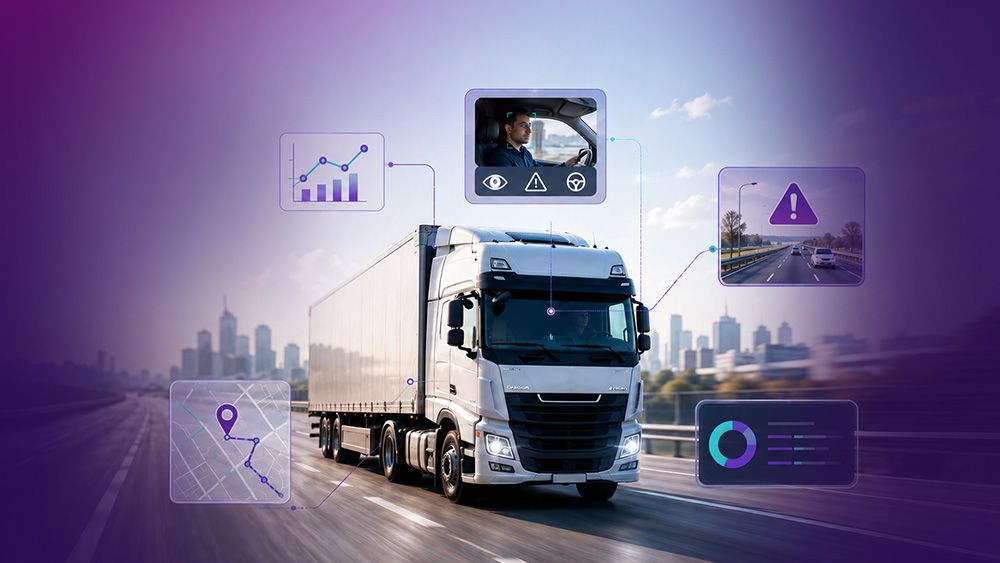
This guide explains what AI-Powered Video Telematics is, how it works, its key features, benefits, applications, challenges, and future developments.
Understanding Video Telematics
Video telematics combines vehicle monitoring technology with camera-based recording systems.
Traditional telematics typically collects information such as:
Vehicle location
Speed
Fuel usage
Engine performance
Route history
Driving behavior
Video telematics expands these capabilities by adding visual context through cameras installed inside and outside vehicles.
The combination of video and vehicle data helps organizations better understand events and driving conditions.
What Is AI-Powered Video Telematics?
AI-Powered Video Telematics refers to video telematics systems enhanced with artificial intelligence technologies.
Artificial intelligence helps analyze visual information captured by cameras and identifies patterns that may require attention.
These systems can process information related to:
Driver behavior
Road conditions
Traffic situations
Vehicle movement
Potential safety risks
Instead of requiring manual review of every recorded video, artificial intelligence can automatically identify relevant events and provide insights more efficiently.
How AI-Powered Video Telematics Works
The technology relies on several integrated components working together.
Cameras
Vehicles are equipped with cameras that capture visual information.
These may include:
Forward-facing cameras
Driver-facing cameras
Side-view cameras
Rear-view cameras
Telematics Devices
These devices collect vehicle-related information such as speed, braking activity, and location.
Artificial Intelligence Software
AI algorithms analyze video footage and operational data.
Cloud-Based Platforms
Data is stored, organized, and reviewed through centralized systems.
Together, these components create a detailed picture of vehicle activity and road conditions.
Key Features of AI-Powered Video Telematics
Modern systems include a variety of features designed to improve visibility and operational awareness.
Real-Time Monitoring
Vehicle activities can be monitored as they occur.
Driver Behavior Analysis
Artificial intelligence can identify driving patterns and behaviors.
Event Detection
Specific incidents can be automatically flagged for review.
Route Tracking
Vehicle movements can be tracked throughout a journey.
Video Recording
Visual evidence is available when reviewing events.
Data Reporting
Detailed reports help organizations evaluate operational performance.
These features help transform raw vehicle data into actionable information.
Driver Behavior Monitoring
One important application of AI-powered systems involves monitoring driving habits.
Artificial intelligence can identify patterns such as:
Harsh braking
Rapid acceleration
Sudden turns
Distracted driving indicators
Following distance concerns
Understanding driving behaviors helps organizations improve awareness and support safer vehicle operation.
The goal is to identify trends and encourage responsible driving practices.
Improving Road Safety
Safety remains one of the primary reasons organizations explore video telematics solutions.
AI-assisted monitoring helps identify potential risks before they become serious incidents.
Benefits may include:
Greater visibility into road conditions
Earlier identification of safety concerns
Improved incident documentation
Enhanced driver awareness
Better understanding of operational risks
The combination of visual and telematics data provides valuable context during safety reviews.
Supporting Fleet Management
Fleet managers often oversee large numbers of vehicles operating across multiple locations.
AI-Powered Video Telematics can help improve fleet oversight by providing:
Vehicle Visibility
Managers can monitor vehicle locations and activity.
Route Insights
Travel patterns become easier to analyze.
Operational Awareness
Vehicle usage data helps support planning.
Incident Documentation
Video records provide additional information when reviewing events.
These capabilities support more informed decision-making.
Understanding Event Detection
Artificial intelligence enables systems to automatically detect specific events.
Examples may include:
Sudden braking events
Collision indicators
Lane departure situations
Driver distraction concerns
Unusual vehicle movement
Automated event detection helps prioritize important information and reduces the need for extensive manual video review.
This can improve efficiency when analyzing large volumes of data.
Applications Across Industries
AI-powered video telematics is used in various industries.
Logistics and Transportation
Organizations managing deliveries and freight operations often rely on telematics data.
Public Transportation
Transit operators may use monitoring systems to improve visibility.
Construction
Heavy equipment and vehicle fleets can benefit from operational monitoring.
Utility Operations
Field vehicles frequently operate across wide geographic areas.
Commercial Vehicle Fleets
Organizations with multiple vehicles often seek greater operational oversight.
The technology supports a wide range of transportation-related activities.
Data Analytics and Reporting
Data becomes more valuable when it is organized and analyzed effectively.
AI-powered platforms often generate reports covering:
Vehicle activity
Driving trends
Route performance
Event frequency
Operational patterns
These reports help organizations identify opportunities for improvement.
Data-driven decision-making is becoming increasingly important across many industries.
Challenges and Considerations
Although video telematics provides many advantages, organizations should also consider potential challenges.
Data Management
Large amounts of video data require effective storage and organization.
Privacy Considerations
Organizations must establish appropriate policies regarding data usage.
System Integration
Technology platforms often need to work with existing operational systems.
Training Requirements
Users may require guidance on interpreting reports and insights.
Addressing these considerations supports successful implementation.
The Role of Artificial Intelligence
Artificial intelligence plays a central role in modern video telematics systems.
AI capabilities help:
Analyze large data volumes
Identify patterns
Detect unusual events
Improve reporting efficiency
Support predictive insights
Without artificial intelligence, reviewing extensive video footage manually would be significantly more challenging.
AI helps transform information into practical operational insights.
Future Trends in AI-Powered Video Telematics
Technology continues evolving rapidly.
Several trends are shaping the future of video telematics.
Advanced Computer Vision
Visual recognition capabilities continue improving.
Predictive Analytics
Systems increasingly identify potential risks before incidents occur.
Enhanced Real-Time Insights
Immediate alerts are becoming more sophisticated.
Greater Automation
Automated analysis continues reducing manual review requirements.
Connected Vehicle Ecosystems
Vehicles are becoming more integrated with broader transportation networks.
These developments are expected to further enhance visibility and operational awareness.
Conclusion
AI-Powered Video Telematics combines artificial intelligence, vehicle data, and video technology to provide a deeper understanding of transportation operations. By analyzing driving behavior, monitoring vehicle activity, detecting important events, and generating actionable insights, these systems help organizations improve visibility and decision-making.
As transportation operations continue becoming more data-driven, AI-powered solutions are playing an increasingly important role in helping organizations understand road conditions, vehicle performance, and operational trends. With ongoing technological advancements, video telematics is likely to remain an important component of modern fleet and transportation management.

Related Post...

Struggling with Consent Tracking? Discover Smart Usercentrics CMP Strategies
Updated: September 08, 2026
Read More
AI-Powered Video Telematics Explained: Features, Benefits, and Applications
Updated: September 09, 2026
Read More