AI Dress Changing Complete Guide to Virtual Outfit Visualization and Fashion Technology
AI Dress Changing refers to the use of artificial intelligence technology to digitally modify clothing in photographs, videos, or virtual environments. These systems use advanced computer vision, image processing, and machine learning techniques to visualize different outfits on a person without physically changing garments. The technology has become increasingly visible as artificial intelligence expands into fashion, design, e-commerce, and digital content creation.
The concept emerged from developments in virtual try-on technology, augmented reality, and image recognition systems. Earlier digital clothing visualization tools often relied on simple overlays that appeared unrealistic. Modern AI systems can analyze body shape, posture, lighting conditions, and garment structure to generate more natural-looking visualizations.
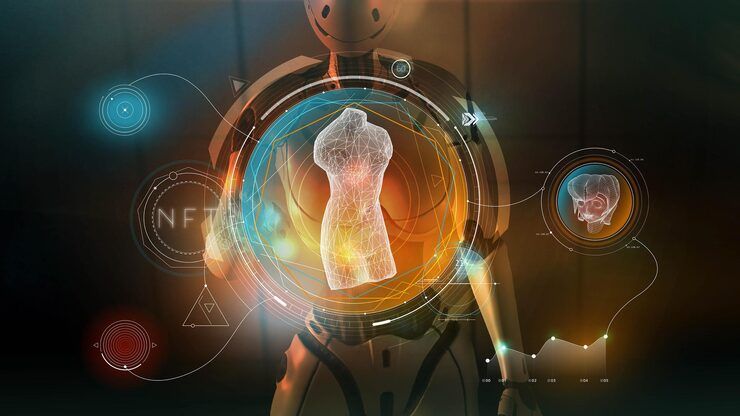
As digital transformation continues across many industries, AI Dress Changing has gained attention for its ability to help users explore clothing styles, create visual content, and experiment with fashion concepts in virtual environments. The technology is now used in a variety of fields, including retail, entertainment, fashion design, and digital marketing.
How AI Dress Changing Works
Most AI Dress Changing systems combine several technologies to generate realistic results.
Common technological components include:
- Computer vision algorithms
- Machine learning models
- Image segmentation tools
- Body pose estimation systems
- Generative AI technology
- Virtual rendering techniques
These systems analyze an image and identify the person's body, clothing areas, and surrounding environment before generating a modified visual representation.
Main Components of AI Dress Changing
| Component | Function |
|---|---|
| Computer Vision | Detects people and clothing |
| Image Segmentation | Separates garments from the background |
| Pose Recognition | Identifies body position |
| Generative AI | Creates realistic outfit visualizations |
| Rendering Systems | Adjusts lighting and texture |
| User Interface | Allows outfit selection and editing |
The combination of these technologies enables digital outfit visualization that can appear increasingly realistic.
Importance
Supporting Fashion Exploration
One reason AI Dress Changing has attracted attention is its ability to support fashion experimentation. Users can visualize different clothing styles, colors, and combinations without physically changing garments.
This capability allows individuals to explore fashion ideas more efficiently while comparing multiple options within a digital environment.
Enhancing Digital Shopping Experiences
The growth of online shopping has increased interest in technologies that help users visualize products before making decisions. Virtual outfit visualization helps address challenges associated with understanding how clothing may appear on different body types.
While digital representations may not perfectly match real-world outcomes, they can provide additional visual information during the decision-making process.
Assisting Fashion Designers
Fashion designers and creative professionals increasingly use AI-powered tools during concept development.
Potential applications include:
- Outfit prototyping
- Design visualization
- Collection planning
- Style experimentation
- Digital fashion presentations
These capabilities can support creative workflows and accelerate concept exploration.
Content Creation and Media Production
AI Dress Changing has become relevant within digital content creation. Content creators, photographers, and media professionals may use virtual clothing visualization to create mockups, demonstrations, and creative projects.
This technology can simplify certain aspects of image editing while introducing new creative possibilities.
Advancing Artificial Intelligence Research
The development of AI Dress Changing contributes to broader advancements in artificial intelligence. Research in image generation, computer vision, and human representation continues to improve the accuracy and realism of digital transformations.
These innovations often influence other industries beyond fashion and apparel.
Recent Updates
Improved Image Realism
Between 2024 and 2026, significant improvements occurred in generative AI technology. Newer models became more effective at creating realistic textures, shadows, and clothing details.
As a result, AI Dress Changing systems can generate more convincing outfit visualizations than earlier technologies.
Better Body and Pose Recognition
Recent developments have enhanced body tracking and pose estimation capabilities.
Modern systems can more accurately identify:
- Body proportions
- Hand positioning
- Movement patterns
- Clothing folds
- Garment placement
These improvements contribute to more natural visual results.
Expansion into Video Applications
Earlier AI Dress Changing tools focused primarily on static images. Recent advancements have expanded functionality into video processing.
This trend allows digital clothing modifications to remain consistent across multiple video frames while maintaining realistic movement and appearance.
Growth of Virtual Fashion
The rise of digital fashion has increased interest in virtual clothing technologies. Designers and technology companies continue exploring ways to create garments intended specifically for digital environments.
Virtual fashion applications may include:
- Social media content
- Gaming environments
- Virtual reality experiences
- Digital avatars
- Online presentations
This trend reflects growing interest in digital identity and virtual self-expression.
Increased Personalization
Modern AI systems increasingly support personalized experiences. Users can often adjust clothing styles, colors, patterns, and visual preferences within supported platforms.
Personalization continues to be a major focus across the fashion technology sector.
Laws or Policies
Data Privacy Regulations
AI Dress Changing platforms often process photographs and personal images. As a result, privacy regulations play an important role in determining how user information is collected, stored, and managed.
Common regulatory considerations include:
- User consent requirements
- Data storage practices
- Privacy disclosures
- Image processing permissions
- Information security measures
Requirements vary across different countries and jurisdictions.
Intellectual Property Rules
Digital clothing designs, photographs, and visual content may be protected under intellectual property laws.
These laws can influence how AI-generated content is created, distributed, and used within commercial and creative contexts.
Artificial Intelligence Governance
Governments and regulatory organizations continue developing frameworks related to artificial intelligence technologies.
Areas commonly addressed include:
- Transparency requirements
- Responsible AI development
- Risk management
- Accountability measures
- User protection standards
Such frameworks may influence future AI Dress Changing platforms.
Consumer Protection Standards
Consumer protection laws may apply to digital tools and applications that use AI-generated visualizations.
These regulations often emphasize clear communication regarding platform capabilities and limitations.
Digital Security Requirements
Because many AI applications process user-uploaded content, cybersecurity measures are increasingly important.
Organizations frequently implement:
- Encryption technologies
- Access controls
- Security monitoring
- Data protection protocols
These measures help reduce risks associated with digital information handling.
Tools and Resources
Fashion Technology Research Platforms
Research organizations and academic institutions regularly publish information about virtual fashion, artificial intelligence, and digital garment visualization technologies.
These resources provide valuable insights into industry developments and technical advancements.
Computer Vision Learning Resources
Educational websites and training platforms explain the technologies that support AI Dress Changing, including machine learning, computer vision, and image processing techniques.
These materials help readers understand the technical foundations behind the technology.
Artificial Intelligence Publications
Technology publications frequently report on developments in generative AI, image editing systems, and virtual visualization tools.
These sources can help readers stay informed about industry trends.
Digital Design Communities
Creative communities often share information regarding digital fashion workflows, design concepts, and AI-assisted content creation techniques.
Such platforms support learning and knowledge exchange among designers and technology enthusiasts.
Government Technology Resources
Many government agencies publish educational content related to digital privacy, artificial intelligence governance, and cybersecurity awareness.
These resources help users better understand relevant regulatory considerations.
FAQs
What is AI Dress Changing?
AI Dress Changing is a technology that uses artificial intelligence to digitally visualize different clothing on a person within images or virtual environments. It relies on computer vision and machine learning systems to create realistic outfit representations.
How does AI Dress Changing work?
AI Dress Changing systems analyze body shape, posture, clothing regions, and image details before generating modified outfit visualizations using advanced image processing and AI models.
Is AI Dress Changing used only in fashion?
No. AI Dress Changing can also be used in digital content creation, entertainment, virtual reality environments, educational demonstrations, and technology research projects.
Can AI Dress Changing work with videos?
Many modern AI Dress Changing tools now support video processing. These systems attempt to maintain clothing consistency across multiple frames while preserving realistic movement.
Why is AI Dress Changing becoming more popular?
Interest in AI Dress Changing has grown due to advances in generative AI, improved image realism, virtual fashion trends, and increasing demand for personalized digital experiences.
Conclusion
AI Dress Changing represents an evolving area of fashion technology that combines artificial intelligence, computer vision, and digital visualization techniques. The technology enables users to explore clothing styles, create visual content, and interact with fashion concepts in new ways. Ongoing developments continue to improve realism, personalization, and functionality across both image and video applications. As AI capabilities advance, virtual outfit visualization is likely to remain an important area within the broader digital fashion ecosystem.

Related Post...

Explore How Connected TV Ads Improve Audience Reach on Streaming Platforms
Updated: October 16, 2026
Read More
Explore How Algo Trading Platforms Simplify Market Analysis and Trade Execution
Updated: October 09, 2026
Read More