A Complete Guide to Understanding Virtual Data Rooms for Secure Document Management
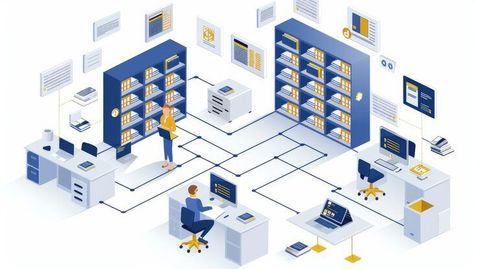
A Virtual Data Room (VDR) is a secure digital environment used to store, manage, and share confidential documents. Organizations use these platforms when they need to control access to sensitive information while allowing authorized users to review documents remotely.
The concept of a virtual data room evolved from traditional physical data rooms. In the past, companies often stored confidential files in physical locations where authorized individuals had to visit in person to review documents. This approach required strict security procedures and often limited accessibility.
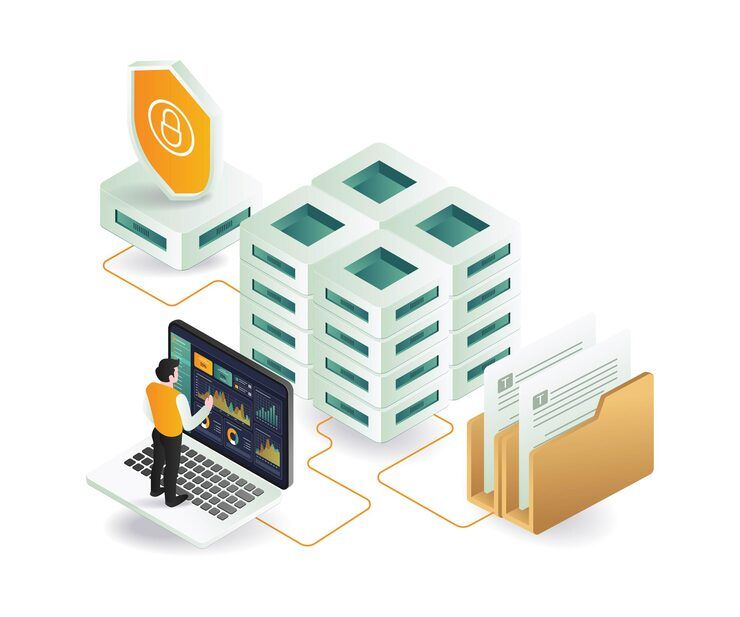
With advancements in digital technology and cloud infrastructure, many organizations transitioned to virtual data rooms. These digital platforms allow secure document storage while providing controlled access to users across different locations.
Virtual data rooms are commonly used in situations where secure document sharing is essential. These may include corporate transactions, legal reviews, regulatory compliance processes, and internal documentation management.
A typical virtual data room includes several core features:
-
Secure file storage and encryption
-
Access control and permission settings
-
Document version tracking
-
Activity monitoring and audit trails
-
Collaboration tools for authorized users
The following table outlines key components of a virtual data room.
| Component | Function |
|---|---|
| Secure Storage | Protects confidential files using encryption |
| Access Permissions | Controls who can view or edit documents |
| Audit Logs | Tracks user activity within the platform |
| Document Indexing | Organizes files for easier navigation |
| Collaboration Tools | Enables communication among authorized users |
Virtual data rooms exist to ensure that sensitive information can be shared safely while maintaining strict control over who can access it.
Importance: Why Virtual Data Rooms Matter Today
Organizations increasingly handle large volumes of digital documents that may contain confidential business information, legal records, financial reports, and intellectual property. Protecting these documents is essential for maintaining privacy, regulatory compliance, and operational security.
Virtual data rooms help organizations address several key challenges related to document management.
Secure Document Sharing
Businesses often need to share documents with partners, auditors, or legal professionals. VDR platforms allow controlled access without exposing files publicly.
Centralized Information Management
Instead of storing files across multiple systems, organizations can manage sensitive documents within a single secure environment.
Remote Collaboration
Modern workplaces often involve distributed teams and external partners. Virtual data rooms allow authorized users to review documents from different locations while maintaining security controls.
Compliance and Transparency
Many industries require organizations to maintain records of document access and activity. VDR systems provide detailed logs that support compliance monitoring.
Several groups benefit from virtual data room systems.
Corporate Management Teams
Executives and administrators can manage critical documents related to operations and governance.
Legal Professionals
Lawyers often use VDRs to review contracts, case documents, and regulatory materials securely.
Financial and Audit Teams
Auditors and financial analysts require secure access to corporate documentation during review processes.
Business Partners and Stakeholders
External collaborators may need temporary access to specific documents during projects or negotiations.
The following table highlights common document management challenges and how virtual data rooms help address them.
| Document Management Challenge | VDR Solution |
|---|---|
| Unauthorized document access | Role-based access control |
| Disorganized file storage | Structured document indexing |
| Difficulty tracking document activity | Detailed audit logs |
| Sharing sensitive files securely | Encrypted document transfer |
| Managing large document collections | Centralized digital repository |
By providing structured security controls and document tracking tools, virtual data rooms help organizations manage information responsibly.
Recent Updates and Industry Trends
Virtual data room technology has evolved rapidly as digital security requirements and remote collaboration needs continue to grow.
During 2024 and early 2025, several advancements have influenced how organizations use virtual data rooms.
Artificial intelligence features have been introduced in some document management platforms. These tools can assist with document classification, automated indexing, and content search capabilities.
Another major trend involves enhanced data security measures. Modern VDR systems incorporate advanced encryption protocols and identity verification tools to strengthen access protection.
Cloud infrastructure improvements have also increased the scalability and accessibility of document management systems. Cloud-based VDR platforms allow organizations to securely access files without relying on local storage systems.
Data analytics capabilities have also expanded. Some systems now provide insights into document usage patterns, helping administrators understand how information is accessed and shared.
The following table summarizes recent trends in virtual data room technology.
| Trend | Description | Industry Impact |
|---|---|---|
| AI-Based Document Organization | Automated file classification and search | Faster document management |
| Enhanced Encryption Methods | Improved security protocols | Stronger data protection |
| Cloud-Based Infrastructure | Remote access to secure document storage | Greater flexibility |
| Advanced Activity Monitoring | Detailed user activity analytics | Improved compliance oversight |
| Integrated Collaboration Tools | Secure messaging and annotation features | Better teamwork capabilities |
These trends reflect the growing demand for secure digital collaboration tools in modern organizations.
Laws and Policies Affecting Virtual Data Rooms
Because virtual data rooms store sensitive information, their use is influenced by various legal and regulatory frameworks related to data protection, privacy, and corporate governance.
Data Protection Regulations
Many countries enforce privacy laws that regulate how personal and corporate data must be stored and processed. Organizations using VDR systems must ensure that data handling practices comply with these regulations.
Corporate Governance Requirements
Businesses are often required to maintain accurate records of financial and operational documents. Secure document management systems support these compliance obligations.
Cybersecurity Standards
Organizations handling sensitive data must implement appropriate cybersecurity measures to prevent unauthorized access and data breaches.
Cross-Border Data Transfer Rules
Some regulations address how data can be transferred between countries. VDR platforms may need to ensure compliance with international data protection standards.
Audit and Documentation Policies
Many industries require organizations to maintain verifiable records of document access and modification activities.
Organizations implementing virtual data rooms typically establish policies related to:
-
Data access permissions and user authentication
-
Secure storage of confidential documents
-
Monitoring and auditing of document activity
-
Compliance with relevant privacy regulations
These policies help ensure that digital document management practices remain secure and legally compliant.
Tools and Resources for Virtual Data Room Management
Several tools and resources support organizations in implementing and managing virtual data room systems.
Document Management Platforms
-
Secure file sharing systems
-
Cloud-based document repositories
-
Enterprise document management solutions
Security Tools
-
Encryption software
-
Multi-factor authentication systems
-
Identity access management platforms
Collaboration Tools
-
Secure messaging systems
-
Document annotation tools
-
Shared project workspaces
Monitoring and Reporting Systems
-
Activity tracking dashboards
-
Compliance reporting tools
-
Data analytics platforms
Training and Educational Resources
-
Cybersecurity training programs
-
Document management best-practice guides
-
Information governance workshops
The following table summarizes categories of resources used in virtual data room environments.
| Resource Category | Purpose |
|---|---|
| Document Platforms | Manage secure document storage |
| Security Systems | Protect sensitive information |
| Collaboration Tools | Enable secure teamwork |
| Monitoring Tools | Track document access and activity |
| Training Resources | Educate teams on data security practices |
These tools help organizations maintain secure and organized document management systems.
FAQs About Virtual Data Rooms
What is a virtual data room?
A virtual data room is a secure online platform used to store and share confidential documents with controlled access permissions.
Who typically uses virtual data rooms?
Organizations, legal professionals, financial teams, and business partners often use virtual data rooms when handling sensitive documents.
How do virtual data rooms improve security?
They use encryption, access permissions, and activity monitoring tools to control document access and protect confidential information.
Can multiple users access a virtual data room?
Yes, authorized users can access the platform simultaneously while administrators control permission levels for each user.
What types of documents are stored in virtual data rooms?
Organizations may store contracts, financial reports, legal documents, intellectual property records, and other confidential materials.
Final Thoughts
Virtual data rooms have become an important part of modern document management strategies. By providing secure digital environments for storing and sharing sensitive information, these systems help organizations maintain confidentiality while enabling collaboration.
Technological advancements such as artificial intelligence tools, enhanced encryption methods, and cloud infrastructure have strengthened the capabilities of virtual data rooms. At the same time, legal and regulatory frameworks ensure that sensitive data is managed responsibly.

You may also like...

A Complete Guide to Understanding Colocation Servers for Business Infrastructure
Last Update: March 13, 2026
Read
Discover How a Strong CSR Strategy Builds Trust and Long Term Business Value
Last Update: March 05, 2026
Read