A Complete Guide to Understanding Colocation Servers for Business Infrastructure
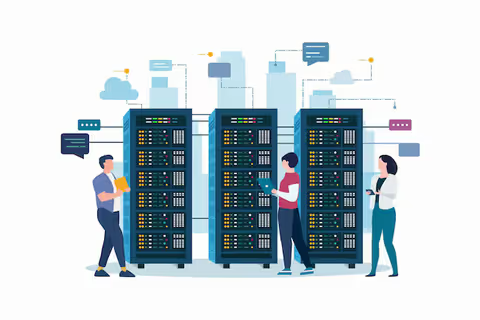
Colocation servers are a type of data hosting arrangement where businesses place their own physical servers and networking equipment inside a specialized data center facility. Instead of maintaining servers in an office or private server room, organizations store their hardware in professionally managed environments designed for reliability, security, and stable connectivity.
The idea behind colocation developed as businesses increasingly relied on digital infrastructure to run websites, applications, databases, and communication systems. Maintaining server hardware internally can require significant technical resources, physical space, power management, cooling systems, and network connectivity.
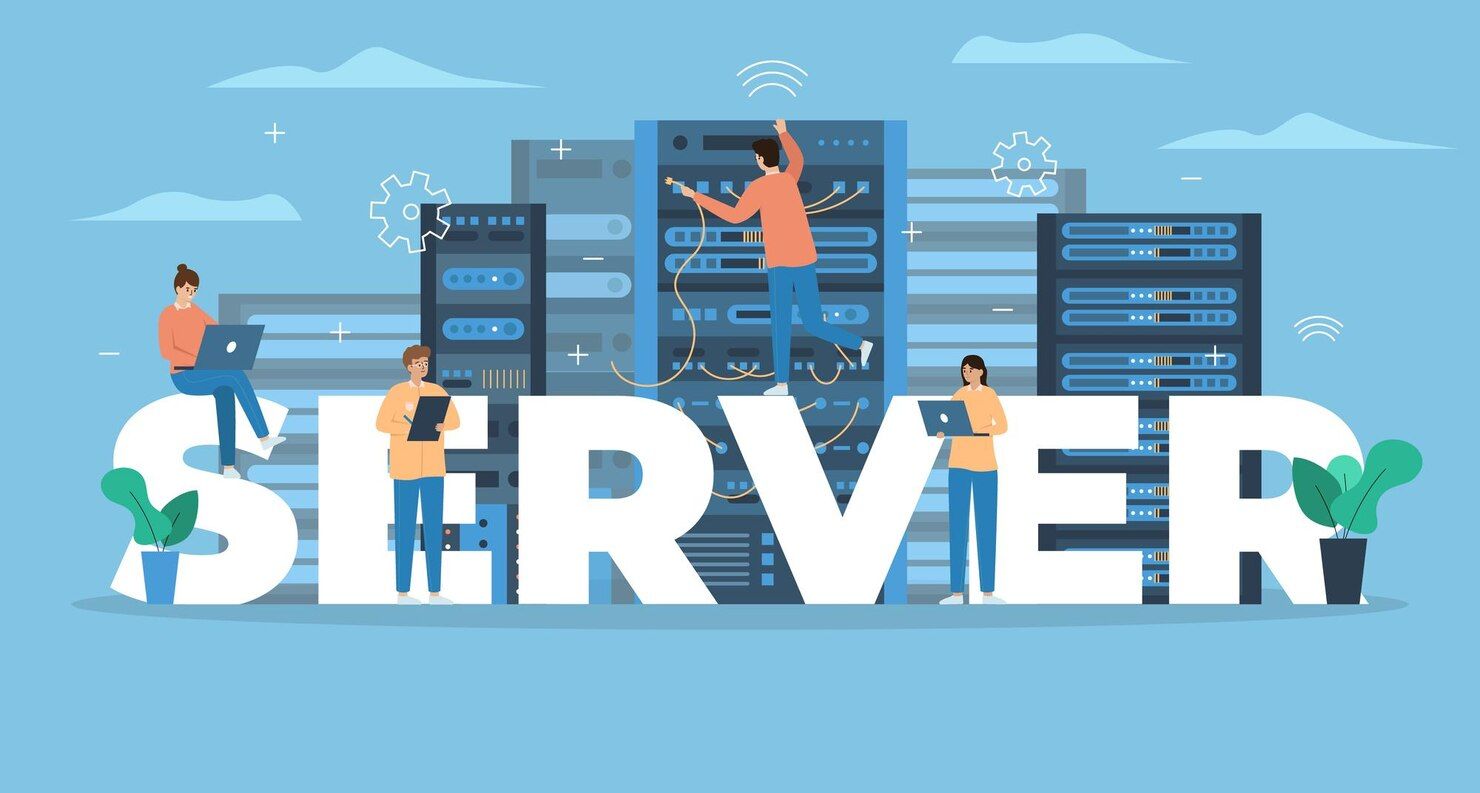 Colocation facilities address these challenges by providing controlled environments built specifically for server infrastructure. Companies install their own servers in these facilities while the data center operator manages the physical environment.
Typical services provided by colocation data centers include:
Secure server racks or cabinets
Continuous power supply with backup systems
Climate-controlled environments
High-speed network connectivity
Physical security monitoring
Disaster protection infrastructure
Businesses retain full control over their hardware, operating systems, and software configurations while relying on the facility’s infrastructure to maintain operational stability.
Colocation is often considered a middle approach between maintaining internal server rooms and using fully cloud-based infrastructure. It allows organizations to keep ownership of their hardware while benefiting from enterprise-grade facilities.
The following table outlines the basic structure of a colocation setup.
| Component | Role in Colocation Infrastructure |
|---|---|
| Physical Servers | Hardware owned and managed by the business |
| Data Center Facility | Provides space, power, cooling, and security |
| Network Connectivity | Enables internet access and data transfer |
| Monitoring Systems | Ensures stable environmental conditions |
| Backup Power Systems | Maintains uptime during power interruptions |
This arrangement allows organizations to run their digital systems in environments designed specifically for high-performance computing infrastructure.
Importance of Colocation Servers in Modern Business Infrastructure
Digital infrastructure has become a central part of modern business operations. Organizations rely on servers for data storage, online platforms, internal applications, and communication systems. Colocation plays a key role in supporting these requirements.
One of the main reasons colocation is widely used today is the need for reliable infrastructure. Server environments must maintain consistent temperature levels, uninterrupted power, and stable connectivity. Data centers are specifically designed to support these conditions.
Businesses from many sectors use colocation services, including:
E-commerce platforms
Financial services companies
Technology startups
Media and content platforms
Healthcare data systems
Research organizations
The importance of colocation infrastructure can be understood through several operational benefits.
Improved Reliability and Uptime
Data centers are built with redundant infrastructure such as backup power systems, advanced cooling technologies, and multiple internet connections. This redundancy helps maintain continuous server operation.
Enhanced Physical Security
Colocation facilities use controlled access systems, surveillance monitoring, and security protocols to protect hardware and infrastructure.
Scalability for Growing Infrastructure
Organizations can expand their server capacity by adding additional racks or equipment within the same data center environment.
Better Network Connectivity
Many colocation facilities provide access to multiple network providers, improving connectivity options and reducing network congestion risks.
The following table illustrates common business uses of colocation infrastructure.
| Business Function | Role of Colocation Servers |
|---|---|
| Website hosting | Supports web applications and online services |
| Data storage | Maintains secure storage infrastructure |
| Application deployment | Runs enterprise software systems |
| Backup systems | Maintains redundant data environments |
| Research computing | Supports data analysis workloads |
As organizations continue to rely on digital systems, the demand for stable and secure server infrastructure continues to increase.
Recent Updates and Trends in Colocation Infrastructure
The colocation industry has experienced several technological and operational developments during the past year. These changes reflect broader trends in cloud computing, artificial intelligence, and digital transformation.
Growth of Hybrid Infrastructure Models (2024–2025)
Many organizations now combine colocation servers with cloud computing platforms. In this hybrid model, businesses keep certain workloads on physical servers while using cloud services for scalable applications.
This approach allows companies to balance performance requirements with flexibility.
Expansion of Edge Data Centers (2025)
Edge computing has gained attention as businesses seek to process data closer to users and devices. Smaller regional data centers are being developed to support applications that require low-latency data processing.
Industries such as streaming services, smart devices, and online gaming often benefit from edge infrastructure.
Increased Focus on Energy Efficiency
Data centers consume large amounts of electricity, which has led to increased attention on sustainable infrastructure.
During 2024 and early 2025, many facilities introduced improvements such as:
Energy-efficient cooling systems
Renewable energy integration
Smart power monitoring technologies
These changes aim to reduce environmental impact while maintaining reliable operations.
Growth of AI and High-Performance Computing
Artificial intelligence workloads require powerful computing infrastructure. Some colocation facilities have begun adapting their infrastructure to support specialized hardware used for machine learning and data processing.
The chart below shows general infrastructure demand trends observed in recent industry reports.
| Infrastructure Type | Industry Trend |
|---|---|
| Hybrid cloud infrastructure | Rapid growth |
| Edge computing facilities | Increasing deployment |
| AI processing environments | Expanding demand |
| Traditional enterprise hosting | Stable usage |
These trends show how colocation continues to adapt to evolving technological requirements.
Laws and Policies Affecting Colocation Data Centers
Data centers and colocation facilities operate under a variety of regulatory frameworks related to data protection, cybersecurity, infrastructure standards, and environmental compliance.
The specific regulations vary by country, but several general areas influence how colocation facilities operate.
Data Protection and Privacy Regulations
Organizations that host data within colocation facilities must comply with privacy laws governing how personal or sensitive information is stored and processed.
Examples include:
| Region | Data Protection Regulation |
|---|---|
| European Union | General Data Protection Regulation (GDPR) |
| India | Digital Personal Data Protection Act (DPDP Act 2023) |
| United States | Various federal and state privacy laws |
These regulations influence how businesses manage customer data stored on their servers.
Cybersecurity Compliance Standards
Some industries require specific cybersecurity frameworks to ensure system security.
Examples include:
ISO 27001 information security standards
SOC 2 compliance for data handling practices
Industry-specific security requirements
Colocation facilities often implement infrastructure that supports these compliance frameworks.
Environmental and Energy Regulations
Because data centers consume significant energy, many governments monitor environmental impact.
Regulations may involve:
Energy efficiency reporting
Carbon reduction initiatives
Sustainable infrastructure guidelines
These policies encourage the development of more efficient data center technologies.
Telecommunications and Network Regulations
Colocation facilities that provide connectivity services may also be influenced by telecommunications regulations that govern network infrastructure and service providers.
These legal frameworks help maintain secure, responsible, and compliant digital infrastructure operations.
Tools and Resources Related to Colocation Infrastructure
Several tools and resources help organizations manage and evaluate colocation environments effectively. These tools support infrastructure planning, monitoring, and operational management.
Data Center Infrastructure Management (DCIM) Software
DCIM platforms monitor environmental conditions and hardware performance within data centers.
Common features include:
Power usage monitoring
Cooling system management
Rack space utilization tracking
Infrastructure performance reporting
Network Monitoring Tools
Network monitoring platforms help track connectivity performance and detect potential network disruptions.
Examples include tools that monitor:
Bandwidth usage
Network latency
Packet loss
Traffic flow patterns
Server Monitoring Platforms
Server monitoring systems allow administrators to track the performance and health of physical machines.
These platforms typically monitor:
CPU usage
Storage capacity
Memory utilization
System uptime
Capacity Planning Tools
Infrastructure planning tools help organizations estimate how much server capacity they may need as systems grow.
The following table summarizes common categories of tools used in colocation environments.
| Tool Category | Purpose |
|---|---|
| DCIM software | Managing data center infrastructure |
| Network monitoring platforms | Tracking connectivity performance |
| Server monitoring systems | Monitoring hardware health |
| Capacity planning tools | Forecasting infrastructure growth |
| Documentation platforms | Managing technical documentation |
Educational resources and professional organizations also provide guidance on data center management and best practices.
Frequently Asked Questions
What is a colocation server?
A colocation server refers to a physical server owned by an organization but stored in a specialized data center facility. The data center provides infrastructure such as power, cooling, connectivity, and security while the organization manages the server hardware and software.
How is colocation different from cloud computing?
Colocation involves placing physical hardware in a data center while maintaining ownership and control of the equipment. Cloud computing typically provides virtualized computing resources managed entirely by a cloud service provider.
Why do businesses use colocation facilities?
Businesses use colocation to host their servers in reliable environments that offer professional infrastructure, stable connectivity, and physical security without maintaining their own data center facilities.
Can small businesses use colocation services?
Yes. Organizations of different sizes may use colocation infrastructure depending on their technology needs. Some facilities offer flexible rack space arrangements that support varying infrastructure requirements.
How are servers maintained in colocation environments?
Organizations are generally responsible for maintaining their server hardware and software. Data center operators manage the physical environment, including power supply, cooling systems, and building security.
Final Thoughts
Colocation servers play an important role in modern digital infrastructure by providing organizations with secure and reliable environments for hosting their hardware systems. By combining professional data center facilities with organizational control over server equipment, colocation offers a balanced approach to infrastructure management.
Recent developments in hybrid computing models, edge data centers, and energy-efficient infrastructure demonstrate how the industry continues to evolve alongside broader technological trends.
Regulatory frameworks related to data protection, cybersecurity, and environmental responsibility also influence how colocation facilities operate. These policies help ensure that digital infrastructure remains secure, reliable, and aligned with public safety and privacy standards.
As businesses continue to depend on digital platforms, colocation infrastructure remains a significant component of the global technology ecosystem, supporting applications, data systems, and online services across many industries.

You may also like...



Discover How AI SEO Analyzer Software Improves Website Rankings and Traffic
Last Update: March 14, 2026
Read