PPC advertising developed alongside search engines and online publishing. As the internet grew and competition for visibility increased, platforms introduced auction-based advertising models. These models allowed advertisers to bid for placement while giving users access to relevant, intent-based content. PPC became popular because it connects advertisers with audiences at the moment of interest.
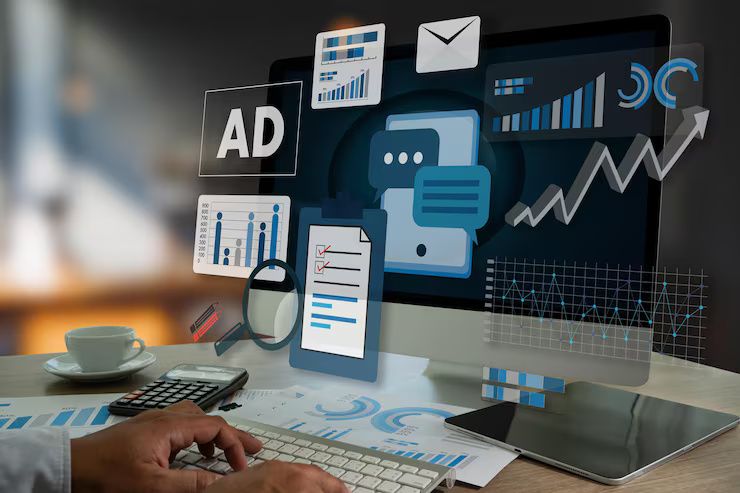
Today, PPC ads are a core part of digital marketing strategies across industries. They are used for awareness, information sharing, lead generation, and traffic growth, with performance measured through clear data and metrics.
Importance
PPC ads matter because online attention is limited and competitive. Businesses and organizations need ways to reach the right audience without relying only on long-term organic growth.
Why this topic matters today
Several factors have increased the importance of PPC advertising:
-
Growing competition in search and digital spaces
-
Increased use of online research before decisions
-
Demand for measurable marketing performance
-
Need for controlled and flexible advertising budgets
PPC ads help address these challenges by offering targeted reach and measurable outcomes.
Who PPC ads affect
-
Small and large businesses
-
Marketing and advertising teams
-
Website owners and publishers
-
Users searching for information or solutions
Understanding PPC ads helps all stakeholders navigate digital advertising responsibly.
What PPC Ads Are and How They Appear
PPC ads appear across different digital environments depending on the platform and format.
Common PPC ad placements
-
Search engine results pages
-
Display networks and websites
-
Video platforms
-
Social media feeds
The table below summarizes placement types.
| Placement Type | Typical Purpose |
|---|---|
| Search ads | High-intent traffic |
| Display ads | Brand visibility |
| Video ads | Awareness and education |
| Social ads | Audience engagement |
Each placement serves a different communication goal.
How PPC Ads Work
PPC ads operate on bidding and relevance systems managed by advertising platforms.
Basic PPC workflow
-
Advertiser selects keywords or audiences
-
Budget and bid limits are defined
-
Ads enter an auction when users search or browse
-
Platform evaluates relevance and quality
-
Ads are displayed to eligible users
The table below outlines key elements.
| Element | Role |
|---|---|
| Keywords or audiences | Targeting |
| Bids | Cost control |
| Quality signals | Relevance |
| Budget | Spend limits |
This structure ensures ads are shown based on relevance, not just budget size.
Targeted Traffic Through PPC Ads
Targeting is one of the main strengths of PPC advertising.
Common targeting options
-
Search intent keywords
-
Geographic location
-
Device type
-
Time of day
-
Audience interests or behavior
The table below shows targeting benefits.
| Targeting Method | Benefit |
|---|---|
| Keyword targeting | Intent alignment |
| Location targeting | Local relevance |
| Device targeting | Better experience |
| Audience targeting | Precision reach |
Targeted traffic increases the likelihood of meaningful engagement.
Measurable Results in PPC Advertising
Measurement is a defining feature of PPC ads.
Common performance metrics
-
Impressions
-
Clicks
-
Click-through rate
-
Cost per click
-
Conversions
The table below explains key metrics.
| Metric | What It Indicates |
|---|---|
| Impressions | Visibility |
| Clicks | Engagement |
| CTR | Relevance |
| CPC | Cost efficiency |
| Conversions | Goal completion |
These metrics help advertisers understand what works and what does not.
PPC Ads vs Organic Traffic
PPC ads and organic traffic serve different roles.
| Aspect | PPC Ads | Organic Traffic |
|---|---|---|
| Speed | Immediate | Gradual |
| Cost structure | Pay per click | Time and effort |
| Control | High | Limited |
| Sustainability | Short-term | Long-term |
Many strategies use both to balance visibility and growth.
Common Types of PPC Ads
PPC ads come in multiple formats.
Search PPC ads
Text-based ads shown when users search specific terms.
Display PPC ads
Visual ads displayed on websites within advertising networks.
Video PPC ads
Short video messages shown before or during content.
Shopping-style PPC ads
Product-focused ads with images and details.
The table below compares formats.
| Ad Format | Primary Use |
|---|---|
| Search | Intent capture |
| Display | Awareness |
| Video | Education |
| Shopping | Product discovery |
Choosing the right format depends on goals.
Budget Control and Cost Management
PPC ads allow precise budget control.
Cost control features
-
Daily or monthly spend limits
-
Bid caps
-
Pause or adjust campaigns anytime
The table below shows budget advantages.
| Feature | Benefit |
|---|---|
| Spend limits | Predictability |
| Adjustable bids | Flexibility |
| Real-time control | Risk reduction |
This makes PPC suitable for varied budgets.
PPC Ads for Different Business Goals
PPC ads support multiple objectives.
Common goals
-
Driving website traffic
-
Increasing awareness
-
Generating leads
-
Supporting content visibility
The table below links goals to outcomes.
| Goal | Outcome |
|---|---|
| Traffic | Website visits |
| Awareness | Brand exposure |
| Leads | Inquiries |
| Engagement | Interaction |
Clear goals improve campaign structure.
Role of Keywords in PPC Ads
Keywords connect ads to user intent.
Keyword considerations
-
Relevance to user searches
-
Search volume and competition
-
Match types and intent
Choosing appropriate keywords improves efficiency and relevance.
Recent Updates
PPC advertising has continued to evolve over the past year.
Notable developments during 2024–2025
-
In March 2024, increased use of AI-assisted bidding and optimization
-
In August 2024, stronger emphasis on privacy-focused targeting models
-
By January 2025, improved reporting clarity and performance insights across platforms
These updates focus on automation, transparency, and responsible targeting.
Automation and AI in PPC Ads
Automation plays a growing role in PPC.
Common automated features
-
Smart bidding strategies
-
Automated audience expansion
-
Performance-based optimization
The table below highlights automation effects.
| Area | Impact |
|---|---|
| Bidding | Efficiency |
| Targeting | Scalability |
| Reporting | Faster insights |
Automation supports efficiency while requiring oversight.
Landing Pages and PPC Performance
PPC ads work best when paired with relevant landing pages.
Landing page considerations
-
Clear and relevant content
-
Fast loading speed
-
Simple navigation
-
Alignment with ad message
Strong alignment improves user experience and results.
Challenges and Limitations of PPC Ads
PPC advertising also has limitations.
Common challenges
-
Rising competition and costs
-
Need for ongoing management
-
Dependence on platform rules
The table below summarizes challenges.
| Challenge | Effect |
|---|---|
| Competition | Higher bids |
| Management | Time investment |
| Learning curve | Skill requirement |
Understanding limits helps set realistic expectations.
Laws or Policies
PPC ads are influenced by advertising and data regulations.
In India
-
Consumer protection laws regulate advertising claims
-
IT and data protection rules affect targeting and tracking
-
Platform advertising policies define acceptable content
General regulatory considerations
-
Transparency in ad messaging
-
Responsible data usage
-
Prohibition of misleading claims
Compliance supports ethical and lawful advertising.
Privacy and Responsible Advertising
Privacy considerations are central to PPC.
Key principles
-
Respect user consent
-
Avoid misleading or harmful messaging
-
Use data responsibly
Responsible practices help maintain trust.
Tools and Resources
Several tools and resources support PPC understanding and management.
Planning and research tools
-
Keyword research tools
-
Traffic estimation calculators
-
Campaign planning templates
Performance and analysis resources
-
Conversion tracking dashboards
-
Analytics platforms
-
Reporting templates
Learning and reference materials
-
PPC best-practice guides
-
Platform policy documentation
-
Digital marketing education resources
These tools support informed use.
Comparing PPC Ads With Other Digital Channels
| Channel | Strength |
|---|---|
| PPC ads | Immediate traffic |
| SEO | Long-term visibility |
| Social media | Engagement |
| Retention |
PPC complements other channels rather than replacing them.
FAQs
What are PPC ads?
They are ads where advertisers pay each time a user clicks on the ad.
Are PPC ads suitable for small businesses?
Yes, because budgets and targeting can be controlled.
Do PPC ads guarantee results?
They provide measurable data, but outcomes depend on setup and relevance.
How quickly do PPC ads show traffic?
Traffic can begin as soon as campaigns are active.
Are PPC ads only for search engines?
No, they are also used on websites, video platforms, and social media.
Final Thoughts
PPC ads are a practical and measurable way to drive targeted traffic and understand user behavior in digital environments. By connecting ads with user intent and providing clear performance data, they help organizations make informed marketing decisions.
Understanding how PPC ads work, their benefits, limitations, and regulatory context allows advertisers to use them responsibly and effectively. Rather than focusing solely on clicks, aligning PPC campaigns with clear goals and relevant content leads to more meaningful outcomes.